
Nobody Believed Her, So She Believed in Herself With Laura Neuman



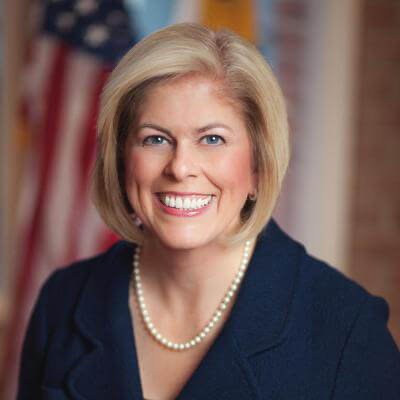
Laura Neuman
Laura Neuman is an entrepreneur, keynote speaker, former public official, and host of The Laura Neuman Show. Born to parents who were both high school dropouts, she left home at 18 with everything she owned in a plastic trash bag and spent six months living out of her car. She built a career from an entry-level call center job at T. Rowe Price into sales and business development roles at Global Payment Systems, Digex, and CAIS Internet, then earned her MBA from Loyola University without ever finishing high school or college, and went on to complete the executive program at Stanford Business School. As CEO of Matrics, she turned an insolvent technology startup into Washington Business Insiders’ Venture Capital Deal of the Year and a $230 million exit, a story that later became a Princeton University case study in entrepreneurship. She served as CEO of the Howard County Economic Development Authority, where she helped launch the Maryland Center for Entrepreneurship, and as the 8th County Executive of Anne Arundel County, Maryland, managing a $1.3 billion budget. Nineteen years after Baltimore police refused to investigate her assault, Laura pushed to have the case reopened; it was solved in three days, and her decision to go public helped connect the perpetrator to cases involving ten other women. Today she shares stories of resilience and resourcefulness on her podcast and from the keynote stage.
Here’s a glimpse of what you’ll learn:
- [1:30] The story Laura’s mother told her about the day she was born, and the childhood of feeling invisible that it explains
- [4:00] Leaving home at 18 with a trash bag, six months in a car, and the assault Baltimore police refused to investigate
- [8:00] Nineteen moves in 12 years, three jobs at a time, and the chosen family that carried her through
- [11:00] Getting turned down for every promotion without a degree, and the direct marketing job with a desk in the hallway that changed everything
- [13:30] The three boxes Loyola’s MBA program made her check: the GMAT, big-name recommendations, and employer sponsorship
- [19:00] Losing tuition reimbursement months into the program and paying for the MBA on a credit card
- [21:30] The rejections nobody talks about, and why every success came right after a failure
- [24:00] Closing nearly every deal on an IPO’s S-1 and getting cut out of the equity
- [25:30] Turning down a president title to run an insolvent NSA spinout, cashing in her 401(k), and the $230 million exit
- [33:00] The venture capital meeting where an investor asked, “What’s your story?”
- [35:00] Going back to Baltimore City, finding Detective Bernie Holthaus, and a case solved in less than three days after 19 years
- [40:00] “You picked the wrong person”: showing up in court, going public on 48 Hours, and the six (then ten) other women who got justice
- [43:00] Why Laura stopped fighting the media narrative and what she wants her story to do now
In this episode…
In this episode of Sticky: Stories That Stick, Amelia Forczak sits down with Laura Neuman, whose life began with a nurse asking her mother if she wanted to see her newborn daughter, and her mother saying no. Laura grew up feeling invisible, left home at 18 with a trash bag of belongings, and lived out of a car that should have been headed to the junkyard. Six months later, just as she felt safe for the first time, she was assaulted at gunpoint in her new apartment. The police said she staged it. Her family didn’t believe her. That was the moment she realized the only person who was going to believe in her was herself.
Together, they trace the five lessons Laura built a life on: believing in yourself before anyone else does, showing up even when you can’t check the boxes, investing in yourself when it hurts, betting on equity instead of a paycheck, and advocating for yourself and others when it’s the most uncomfortable thing you could possibly do. Laura walks through the direct marketing job with a desk in the hallway that led to an MBA offer she wasn’t qualified for, the letter from a CEO she kept for ten years, the tuition she paid on a credit card, the IPO that cut her out of the equity, and the insolvent NSA spinout she ran without a salary until it became a $230 million exit and a Princeton case study.
And then there’s the part of her story Laura never wanted to be known for. After a career in tech and a term running a $1.3 billion county government, she went back to Baltimore City and refused to hang up until someone reopened her case. A detective solved it in three days with fingerprints that had been sitting in a database for a dozen years. It’s a conversation about what it costs to put yourself out there, the failures nobody puts in the highlight reel, and how one woman’s refusal to accept “no” ended up delivering justice to ten others.
Resources mentioned in this episode:
- Laura Neuman – lauraneuman.com
- The Laura Neuman Show – Apple Podcasts
- The Laura Neuman Show – Spotify
- The Laura Neuman Show – YouTube
- LinkedIn: Laura Neuman
- Instagram: @lauraneuman.official
- Chris Dyer – chrisdyer.com
- Pithy Wordsmithery – pithywordsmithery.com
Transcript
Amelia Forczak: [00:00:00] Welcome to Sticky! Stories That Stick. I’m your host, Amelia Forczak. If you’re interested in storytelling or you just wanna hear some good stories, you’re in the right spot. Today, I have a very interesting guest with us. But first, I just have to let you know that this episode is brought to you by Pithy Wordsmithery, a boutique firm founded by yours truly. I’m a New York Times bestselling ghostwriter, and I love helping people write and publish their books. My team and I have helped authors turn their stories into bestsellers and their brands into thought leadership platforms. If you’ve ever thought about writing a book, check us out online at pithywordsmithery.com. Today, I have Laura Neuman with me. Laura’s story is really about one decision made over and over, to believe in herself even when others did not. She left home at 18 with everything she owned in a trash bag. She earned an MBA without finishing high school or college, and turned around an insolvent startup, which later sold for [00:01:00] $230 million. She also ran a $1.3 billion county government as its top public official. When the system failed her completely, 19 years of not being believed about her own assaults, she refused to give up. She turned that into a mission to give others the voice she had to find for herself. Laura, thank you so much for joining us.
Laura Neuman: It’s great to be with you. Thank you for giving me this opportunity.
Amelia Forczak: I’m really excited to have you here. I’ve interviewed a lot of successful people on the podcast who’ve pulled themselves up by their bootstraps, but your story is different, and there’s a lot to unpack. So when I’m telling stories, I, I don’t always like to start at the beginning because that’s not necessarily the most interesting part of the arc. But in your case, it makes for such a provocative opening, I can’t help but start there. And so the day you were born, a nurse asked your mother, “Would you like to see your daughter?” And she [00:02:00] said, “No, thanks. I have the rest of my life to look at her.” That’s how your story began, and it started a through line in your life of resilience. Tell, tell me about- Well- Tell me about that.
Laura Neuman: You’re going back to the way beginning. Yes, that’s true. Yes. Um, the strange thing about that story is that the reason I know it is because my mother is the one who told me. I mean, she wasn’t uncomfortable with that narrative. And at one point, you know, when I had my first child, I had to say to her, I was 40 at the time, and I had to say to her, “You know, that’s not a great story.” But it did explain a lot when I became a parent. I finally understood, you know, there should be a different relationship. I can tell you that I grew up very much feeling invisible. My voice wasn’t welcome, and I was in an environment where, honestly, my parents were just struggling to survive, and they made a lot of bad decisions. They, my mother became– They were both high school dropouts. They were both arrested multiple times. It was a very challenging and dysfunctional environment and, you know, that [00:03:00] was really all I knew for my entire childhood. Uh, and I thought it was about me when it was really about them and their decisions. But, you know, with that, um, the, the benefit now of being able to look back and understand that, but when you’re a child growing up, you just want your parents to love you.
Amelia Forczak: Absolutely. I can only imagine how hard that would be, and that’s what makes your story even more incredible, that you have come so far and you did it essentially all on your own.
Laura Neuman: You know, uh, y- there’s this narrative out there that you have to have a mentor to be successful or that there has to be, like, this special person in your life, a grandmother, a teacher. I mean, I can honestly tell you that person didn’t exist for me. And it’s one of the things that I want to share with your audience is that, like, look, even if someone else doesn’t believe in you, you have to ultimately be the person who believes in yourself. And for me, you know, that, this idea when I was growing up that, you know, I was gonna have to build a life for myself was clear, but I didn’t understand the believing in myself until after I [00:04:00] moved out
Amelia Forczak: So you moved out when you were 17, and-
Laura Neuman: Right after I turned 18, yes.
Amelia Forczak: Okay. What was your plan?
Laura Neuman: My plan was to, like, live the American dream, right? We hear you go to college, you know, you’re gonna be successful, you can build a life for yourself, and that’s available to everyone. And so I bought into that. I wanted to believe that, and I left home, very anxious to leave, honestly. I packed everything I owned into a plastic trash bag, and I decided that living out of my car was better than living at home, because it was such a stressful environment. And I lived out of my car for the next six months. I was already a high school dropout myself, and truthfully, like, this big dream that I had for myself, I don’t even know why I thought that was possible other than that we like to cling to this idea of possibility. And so I did, and six months later, I eventually moved into an apartment, ready to start my life, feeling like I was [00:05:00] finally safe. And unfortunately, you know, the most defining thing in my life happened to me, which… I don’t know how to explain that without it sounding weird, except, or, like, awkward, but, you know, the bottom line is I moved into an apartment, ready to start a life for myself, and I was raped at gunpoint. And that was traumatic enough, but what was even harder is that I called the police, the people I needed to support me in that moment, and they came to my apartment and said, “We think you staged this crime scene. We don’t believe you.” And so my case was never investigated, and it was worse than that, because my family didn’t believe me. So now I’m estranged from my family, and I’m disenfranchised from my community, and I had nowhere to go. I had nowhere to turn, and that’s when I realized that at the end of the day, I was the person who was gonna have to believe in myself, and if I didn’t have that, I couldn’t build a life
Amelia Forczak: I cannot believe that that happened. It’s horrifying that you went [00:06:00] through that. I am so sorry.
Laura Neuman: Well, I appreciate you saying that, but the issue is not even that it happened, ’cause obviously it’s terrible that it happened, and I don’t sign up for this narrative that everything happens for a reason. Sometimes bad things just happen. The real issue is that I was alone in it, and I didn’t have a support structure around me. I didn’t have family, I didn’t have the police to back me up, and honestly, they never believed me, so my case was never investigated. And so now I’m 18 and figuring out, what do I do? How do I build a life for myself? Like, how do I crawl out of the bottom? Like, I didn’t e- I thought I’d hit the bottom, and then I realized there is no bottom, and I didn’t know what to do from there. And I just decided I was gonna take it one day at a time, because in that moment, you only have two choices. You can either give up and curl in a ball or you can go forward, and I decided that I was not gonna give up. I didn’t decide I was gonna go forward. I decided I was not gonna give up. And so that’s how I did it, uh, day by day. Literally, it was a day at a time sometimes. [00:07:00]
Amelia Forczak: That’s so courageous. So you’re, you’re, I mean, you’re basically still a kid. You’re 18. You’re a kid and an adult at the same time. You’re going to work. You’re trying to pay for bills. Did you start thinking about what comes next, if it were, if you were gonna go to college or if you wanted to start your own business?
Laura Neuman: Really wanted to go to college so badly. Like, I just believed that that was the way that I was gonna have success. That’s how I was gonna build a life for myself. And for me, it wasn’t about being an entrepreneur or, you know, being successful even in business at that point. It was about financial independence. I wanted to be able to take care of myself. And, you know, I bought this, like, car. The car that I lived out of was, like, over 10 years old. I mean, it was literally falling apart. It was what you would call a beater. And yeah, I was really proud that I bought that for myself for, like, under $1,000, and that’s because it should’ve been headed to the ju- the junkyard inst- instead of being my home for a while. But I knew that [00:08:00] there was more, and so my next car was still a used car, but a little bit nicer. And so I, like, attached myself to this idea that if I could just incrementally start to make some progress, then maybe I would be okay. So, you know, that’s how I did it. I moved 19 times over the next 12 years because I always needed a place to live. There were times I had to choose between food, rent, and gas, but I just refused to give up. And this is one of the things that might surprise your audience, is that I worked really hard. I always had three jobs at a time throughout my 20s, but I also had a lot of fun. I made friends. I went out. I tried to enjoy my life, and I think that’s the reason that I was able to, you know, get through the tough days, because I felt like there was this support structure, a friendship around me, even though I didn’t feel it from my own family.
Amelia Forczak: Yeah, your chosen family.
Laura Neuman: Yeah, I think that’s what you would call it. Yeah. I mean, I just love being around people, and for me, you know, those connections really made a big difference, and it’s what I, [00:09:00] you know, that’s how I learned about the world. I went to the library when I was young, and I asked questions, and I lived in so many different homes that I got to see how other people lived, and that’s how I knew it was possible. And once I knew it was possible, I wasn’t willing to accept that I couldn’t have it.
Amelia Forczak: Yeah. I know that you’ve had an interest in, in business. What came first? I know you went to get your MBA, and then you also were dabbling in entrepreneurship.
Laura Neuman: I got my first job in business when I was in my early 20s, and when I say in business, we have to, like, be really clear that my first job in business was answering phones in an 800 number call center for minimum wage. And it was a part-time job, and they said, “Look, you don’t qualify for benefits ’cause it’s a part-time job.” And I was like, well, I didn’t even know what benefits were. You know, we didn’t usually have health insurance growing up. So for me, it was really about an opportunity. Just give me a chance to prove myself. Give me a chance to prove that I can contribute. And once I was there, the [00:10:00] interesting thing is once I joined that office environment, I realized there was this whole world I didn’t even know about. It was only a couple of miles from where I’d grown up, but it was a very different world than I had ever been exposed to before, and I loved it right away. So I knew I wanted to be in business immediately, and I knew that I was going to stay there. That’s where I would try to build a life for myself, and I worked really hard. Over the years, I was always the first person to raise my hand and volunteer or show initiative or take on a special project, and I d- obviously, I made a lot of mistakes, but I also refused to give up, and I always tried. I took a lot of initiative. And what I say to people when I talk about, you know, wanting to be successful when you have such a challenging beginning is first you have to believe in yourself. That was the first lesson I learned, and that you are the most important person to believe in yourself. But the second thing is to show up, and I showed up over and over again. I always was the first to raise my hand. Showing up and raising your hand and [00:11:00] saying, you know, “Let me try,” is great, but that’s not actually enough. You gotta check certain boxes, and I couldn’t check those boxes. I would always apply for a promotion or a better salary, and I would get t- turned down over and over again because I didn’t have a college degree, and that was honestly the most limiting thing for me in business. Didn’t matter how hard I worked, it didn’t matter what I contributed. Without that college degree, it would be difficult for me to get beyond a certain level. And so I wanted to go to college, but I just simply could not afford it. So that was probably the biggest challenge for me. But I fundamentally believed that no matter what the circumstances were, you had to not only give it your best, but I took jobs that I didn’t want or didn’t enjoy because I had to pay my bills, and so I accepted that. And one of the jobs that I accepted was, honestly, it was a tough job to have, but I had to take it because I had bills to pay at that point. [00:12:00] So I was working at a direct marketing firm. My desk was in a hallway, which, uh, you know, is not a great start, and on top of that, below our floor was a printing press, uh, and it was in a very, you know, dicey part of town. You had to go through a gated area just to park in the parking lot. You couldn’t even park on the street. But I accepted that job because, you know, that’s what you do when you don’t have a choice, and I will tell you, it changed my life. I went to work every day dressed like I worked in a bank even though I was working for a direct marketing firm, and one day a client came in. It was my job to represent this company, and so I did it to the best of my ability. I was professionally pr- dressed and prepared. I conducted the presentation, and afterwards that client of this company said, “Wow, we were super impressed with you. You did a great job. We think you’d be a great candidate for our MBA program.” And I was like, “That’s awesome. Thank you,” but I was also too embarrassed to tell them the truth, which is that I wasn’t really [00:13:00] qualified, even though I appreciated that they asked. And then they called again and said, “We’d really like you to consider it.” And so at that point I realized I had a choice. Once again, I could either show up or I could walk away, right? I decided to show up. So I went in and asked them if I could meet with them, and they said, “Why don’t you just fill out the application online?” And I’m like Can I come in and meet with you? And they said, “Sure.” So I went in and met with them, and I said, “Look, this is my story.” I told them, “This is where I started. This is how I got off track, and this is how I’ve built a life for myself today.” I said, “Would you consider making an exception?” And I thought they were gonna say yes, and of course they did not, because that is not how it works.
Amelia Forczak: Oh, no. I thought you were gonna say they were gonna say yes too. Man.
Laura Neuman: No, they did not say that at all. They said, “These are the things you have to do to even be considered. You have to take the GMAT.” And I’m like, “Well, what’s a GMAT?” I’d never taken a standardized test. And you have to get a certain score. Second, you need [00:14:00] excellent recommendations. You know, understanding that I kept hitting this ceiling, that’s a, that’s a big ask. And the third is I needed to have employer sponsorship for this program. And so, you know, it’s its own story, but, uh… and it, it’s a pretty interesting story on its own, but the bottom line is, you know, I checked all of those boxes, and they said, “You know what? You can do everything right, and we still might not accept you.” That is one of the most important lessons I have ever learned in life and in business.
Amelia Forczak: Yeah.
Laura Neuman: You can do everything right and still not win. But I accepted those terms.
Amelia Forczak: It’s so crazy too, ’cause you’re like, “You guys contacted me,” right?
Laura Neuman: Well, because I had given the presentation at, you know, they came in as a client to buy a direct marketing campaign, and you know, here I am saying, “Let, let me tell you about our company,” a company that I was anxiously at that time trying to leave and applying to other jobs in my off time. So you know, look, I did what they asked. I went and took the GMAT. I, you know, I signed up for it and [00:15:00] realized… I signed up for a prep class. I re- I realized I was so not prepared because of my educational background, so I crammed and I worked hard, and I prepared, and I got the score that they needed. So I checked that box, and believe me, I started at the bottom. The first time I took that prep class, I was literally at the bottom of the first practice exam, and then I got to the point where I got the score that they needed. The second thing was I needed great recommendations, and of course, all my employers wrote me good recommendations ’cause I had worked really hard, so I had good recommendations, but they weren’t the kinds of recommendations that this type of program was looking for. So I had just changed jobs in the middle of this process and got my first job in tech, again, an entry-level job, but I had done a favor for a nonprofit in my community just to be kind. Look, I read The 7 Habits of Highly Effective People, and one of the, you know, the first one is give before you ask or receive. I didn’t do it because I wanted anything in return. I knew I had an opportunity to help this [00:16:00] nonprofit. I helped them, and then I realized that needing a recommendation might be welcome from the executive I worked with on this donation. So I went back to him and I said, “Hey, would you consider writing me a recommendation for this program?” Well, his name was Parker Rockefeller, and he was, you know, prominent in the community and well-regarded, and he had done great work for this nonprofit. Well, they loved that. It was a good recommendation to have. So I took it back to the school and I said, “Look, here you go. Here’s my recommendation,” and I thought that was it. I thought I had checked that box. I was good. And they said, “This is really great.” Do you have anyone else? And I was like- Oh my gosh … “Oh my gosh.” So I thought about it, and I realized that 10 years earlier I had done, uh, some work. I was working at T. Rowe Price, that entry level job answering the 800 number calls, and there was a big snowstorm, and no one made it into the office because of the snowstorm. Like, the city was shut down. [00:17:00] At that point, I hadn’t, I hadn’t even owned a new winter coat or winter boots, but I still made it into the office in my tennis shoes to answer the phone because it was part of my do anything I can to set myself apart and work hard. And I made it into the office in the midst of this massive snowstorm, and the CEO sent me a letter, which was like three sentences long, saying, “Thank you for coming in so that we could open on time with the markets.” I kept that letter, and now 10 years later, I took that letter back to Parker and said, “Hey, Parker, is there any chance that you know George Collins, the former chairman and CEO of T. Rowe Price?” And he did. And I said, “Would you consider taking this letter back to George Collins and asking him if he would r- write me a letter of recommendation?” And he did. He said yes. So I took that letter of recommendation back to Loyola, and I said, “Hey, you know, I have this recommendation from George Collins,” and, uh, at that point I thought I was in. And they said, “Wow, this is really great.” Oh my
Amelia Forczak: God. I [00:18:00] know, it was… He… So you have fought for this so hard. I feel like that, just that should show them that you deserve it.
Laura Neuman: You never give up. Never give up. So I, the third requirement was that I have employer sponsorship, and I just started a new job and negotiated that as part of my position in my new company, lower salary in exchange for tuition reimbursement, and they agreed. And at that point I thought I was done, but I didn’t hear from them for weeks. And then finally, just a few weeks before the program was to start, I finally got a letter from them and it said, “You’ve been accepted.” And so that’s how I got an MBA without finishing high school or college, or how I got accepted into the program and was able to earn the MBA.
Amelia Forczak: Okay, so you got your MBA, and then what?
Laura Neuman: So, you know, I get accepted into this program, which was amazing. And right after I was accepted, and bear in mind, you know, an MBA program is pretty expensive, the, my new employer was gonna, you know, provide tuition reimbursement. I was [00:19:00] excited about that. It was a three-year-long program. Literally months later, the company was acquired, and I wasn’t hired with the new company, so I lost my tuition reimbursement. Oh my gosh. But I just started the MBA. I literally had just started. It was only a couple of months into the program, and I had a choice once again, which is do I leave and drop out because honestly couldn’t afford it, or do I figure out how to do it? And I knew that this was a life defining moment, and I couldn’t not do it. Like, there was no way I was gonna give up on this dream. So I decided to pay for it on a credit card, and so I paid for my MBA program on a credit card. And that, that’s my third big lesson in life that I really had to understand, is that, like, it’s hard to make those investments in yourself. It’s one thing to say, “Oh, I’m gonna invest in myself. I’m gonna have… You know, I’m gonna go to the spa ’cause I wanna feel better or have some downtime or relaxation.” When you have to make investments in yourself, and they require [00:20:00] that, like, you live on, you know, rice for a week, then you do it. Like, if you really have to make a tough decision between comfort and the outcome that you want, for me, I was willing to make that sacrifice for the outcome. Like, I didn’t eat in restaurants. My friends went out to dinner, and I would go with them, but I wouldn’t eat because it was more important for me to be with them, and I knew that I couldn’t financially afford to eat out when I just didn’t have the resources for it, but I would still go. I just wouldn’t actually eat while I was there, or I’d get something really small, right? Yeah. So, you know, that’s just part of the sacrifice and, and choosing to invest in yourself. And then immediately after I graduated from the MBA program at Loyola University, I was accepted into the executive program at Stanford Business School. At this point, I was well in- Wow … you know, this is a couple years later. I was well into my tech career, and I thought this would be such a great opportunity, so I applied to Stanford, and I got accepted. [00:21:00] And once again- Amazing … I had to pay for that program as well.
Amelia Forczak: That’s amazing. I, I love this. Not taking no for an answer, going after it, and then just you keep leveling it up, like, every time. It’s amazing.
Laura Neuman: Well, I should tell you that, and I, I think this gets lost in the conversation a lot of times, is there were other things that I applied to or wanted to do where I wasn’t accepted, right? So I, I looked for areas where, you know, I felt like it was a good connection for me or it was a meaningful opportunity, but there were plenty that I applied to that I didn’t get as well, and I, I think that’s really important ’cause we always focus on the successes, but the truth is that there are, they’re not all wins.
Amelia Forczak: You’re making such a good point because when we look at people who are successful, we assume that it was easy for them. And I work with a lot of authors, and I think that’s true for publishing. A lot of times people wanna have a book deal, and they don’t realize that a lot of the most successful books have been rejected so many times.[00:22:00] You know, H- Harry Potter, a, a lot of the classics, like no one wanted to publish those. They didn’t think they were lucrative, but the authors didn’t give up. They kept going.
Laura Neuman: I think that is so lost in the conversation. We always focus on the success. There isn’t anything I’ve done that hasn’t had a tremendous amount of failure in front of it. And the truth is, like, failure, like feels really… It just feels like failure in the moment. It doesn’t feel like, like a learning opportunity. It just feels like failure. It just feels bad. But the truth is, everything I’ve done that was successful came right after something that didn’t work out the way I wanted it to, and what we would, you know, define as a failure. And I learned so much in those experiences that they prepared me for success
Amelia Forczak: That’s amazing. I’m wondering, so in your story, one of the big things here is that you got involved in a failing company and made it incredibly successful. So tell me about that. You saw this company. What, did you see something that other people didn’t see in this company?
Laura Neuman: One of [00:23:00] the benefits of growing up in such a challenging environment is that it really, you know, teaches you how to trust yourself to make the right decision. And in that company, you know, I went into a company that nobody else would invest in, but at this point I was very established in the tech community. I had worked at several startups. I started at the bottom, and I worked my way up, and quickly, you know, made a difference in the companies that I worked for. And, you know, my first real significant role was with a startup in DC. I was the first employee with a company that had a new technology, and I immediately, you know, hit the ground running. I got Microsoft to endorse that technology. It became the premier technology in the hospitality industry at the time. I had us at trade shows as an expert speaker. You know, we, we built that company quickly and successfully, and it moved to an IPO pretty fast. And in that company, they rewarded my effort and my results with more [00:24:00] money and a better title, and I honestly thought I had made it at that point. I, I thought, “Wow, this is what I’ve been working so hard for.” I had a great title, I had a great salary, I was living my best life. I was the first person in my family to buy a house of my own. I mean, I really felt like I had truly made it, but then the company did an IPO, and I was cut out of most of the equity, and that’s a big deal because when that company did an IPO, every single deal, with the exception of one, on their S1, was closed by me or someone I hired. So I closed the deals and brought the relationships in that led to that company’s success. But I got cut out of the equity because I didn’t understand the importance of ownership. I didn’t understand the importance of equity. No one explained these things to me. You know, I had to figure them out on my own. And so that was a real learning experience, and I decided after that, that if I was gonna work that hard for a company, I was gonna have equity, I was gonna have ownership. So that’s what led to the opportunity that [00:25:00] was so successful. But before that, I had another company I spent a year on where I didn’t get paid. I raised 90 million in venture financing and vendor financing commitments, and the company didn’t get off the ground. I spent all of my savings trying to build that company. Oh
Amelia Forczak: my God.
Laura Neuman: And it never launched. It was so painful. Now, understanding that now I’ve bought a house, I don’t have money to pay my bills. I’ve spent all of it on this company, and it was what you would call a failure, because the truth is, it didn’t launch
Amelia Forczak: So when that happened, you again had a choice to make of how to move forward, right? Was it difficult to pick everything back up and start again?
Laura Neuman: What happened is that I was then, you know, I was offered another job with a company, another tech company, uh, as president of that company. It was a great job, and it was a stable, well-funded company. And to tell you the truth, I turned it down to go run this insolvent startup, which was a technology opportunity. It came from [00:26:00] NSA. Technically, it was a technology transfer out of NSA, but it was two scientists from NSA, the National Security Agency, who had a great idea and didn’t really have any business experience. Uh, and they hired me as their CEO to run the company, and the truth is that it was not the kinda deal that was easy to, to build or to get funded. Every single investor they had talked to turned them down. They’d already been through a previous management team, and they were three years into this company when they brought me on to, you know, turn it around and run it. And the truth is that it was a heavy lift. I mean, I had to cash in the remainder of my savings, like all of my 401. I had to pay my mortgage on a credit card. Oh my God. I had to borrow money. I literally borrowed money from friends. All the things I tell- Your, your like- … not to do …
Amelia Forczak: risk threshold is high
Laura Neuman: I didn’t realize how high it was, but the truth is I didn’t have a safety net. I had no choice but to make it successful. And so that’s [00:27:00] my fourth big lesson, which is that you’ve got to bet on yourself and take a risk. If you want the big opportunity, you have to take the big risk. And of course, in, you know, one company it didn’t pay off. It doesn’t always pay off. You can do everything right and still not win, right? But in this company, you know, after… There was no salary, by the way, until I raised the money for all of us to get paid. And so, you know, I turned the company around. It was voted Venture Deal of the Year. It was very successful. Uh, it was a hot venture capital deal, and it had a big exit. Uh, it was a couple hundred million dollars. I had done all of this on equity alone, because remember, I didn’t get paid until I raised the money to get paid. Yeah. And then we started at, like, couple thousand dollars a month and worked up to, you know, a salary, but it still wasn’t a significant salary. The real risk, the real bet was on the equity for the company to be successful. And when it sold, honestly, it was life-changing. It, it had a big exit, and the investors did well. Everybody did well. It was a really great [00:28:00] opportunity.
Amelia Forczak: Thank God. You know? Like… So crazy, and, and it also became, I saw it became a Princeton University case study in entrepreneurship.
Laura Neuman: It was. So I was asked to write up the case study on this opportunity and, you know, what went into this high-risk, uh, tech company. And it was kinda fun to go up to Princeton and, you know, share it with the students there and walk them through. We have this idea that entrepreneurship is so much fun, and it is fun. Sure it is. Or that, you know, every entrepreneur that we hear about, we assume everyone’s successful. I don’t think it’s really understood all the risk and the stress that goes into actually building something like that out of almost nothing. Now, this company, they had a patent, right? But the patent that we started with wasn’t even the product that we ultimately built. Even the actual core technology changed. That’s a lot of, that’s a lot of risk. And I was out at Stanford when I closed the first round of financing, and I [00:29:00] had a lot of people come up to me that summer ’cause I wanted to share the good news, right? So I bought… One of my colleagues in the program was at the time the CEO of Chandon. So I bought a case of Chandon to celebrate, you know, this big moment of closing the series A while I was out there. I was flying back and forth. And I can’t tell you the number of people who came up to me. There were 144 executives in the program, and so many of them said, “I wanna do this. I wanna be an entrepreneur.” And I was like, “I wanna be you. Like, I wanna work for Microsoft. I wanna work for Google.” Google was just getting started at that point. Like, I wanted the stable, large company jobs that they had. And I said, “Look, I know that it looks really exciting today because you’re seeing that we closed this round of financing, but I haven’t been paid in like two years.” So you have to be willing to take the risk, but you don’t get the big payoff without the big risk. And so I was willing to do that because that’s the only way I was gonna be able to prove that I could do it
Amelia Forczak: And it’s so incredible. [00:30:00] So-
Laura Neuman: Thank you. I don’t think of it that way, but thank you.
Amelia Forczak: No, it is. It is incredible. The, the risk piece is something a lot of people can’t stomach. I’ve had my business for 16 years, and it’s, it’s been mostly a lifestyle business. It’s fairly small. Um, but even that is, I mean, it is hard. You have to learn how to do everything yourself. Like, I’m a good writer. Now I have to be good at bookkeeping, and I have to be good at websites, or hire the right people, and it’s just, it is extremely difficult, and I can only imagine how much crazier and harder it would be if it were scaling like that.
Laura Neuman: But you built something that has the most essential thing for a company to be successful, which is reputation capital. I mean, we met because one of the authors you worked with said you’re amazing. And so when you’ve built that reputation, I mean, that is really the underpinning of building success in your business. I mean, it’s, it’s a great story on its own, truthfully.
Amelia Forczak: It, it is. [00:31:00] Uh, I mean, that’s the truth. It is hard to get new clients without having that positive reputation. Like, the, for the first, I think, like, eight years I had my business, I didn’t do any marketing at all. It was just word of mouth, and I was actually scared to even tell anyone about the business ’cause I was like, “What if we get so busy I can’t even do the work?” So, and, and I think I was working with Chris Dyer even back then. Shout out to Chris Dyer, who’s introduced me to another amazing person. I think he, I feel like he just flies around the country and meets these great people, and I’ve, I’ve made so many incredible connections through him.
Laura Neuman: He’s a big fan of yours. He speaks very highly of you, honestly. He’s like, “This is the person to talk to.” So.
Amelia Forczak: I appreciate that. That’s
Laura Neuman: sweet. Yeah. You’ve, you’ve done a lot for his business.
Amelia Forczak: So Chris introduced me to you and said that you have an incredible story, and that you should consider writing a book. So tell me about that. What does that, what does that feel like?
Laura Neuman: Well, I really appreciate that. I’ve been told for a long time that I should write a book [00:32:00] because of the type of story it is. I’ve been in the news quite a bit, and there’s a documentary being done about parts of my story. I actually felt pretty good about where I was based on the part of my story we’ve covered up until now, but then there was a whole nother phase to it that completely changed my thinking about what I had to offer and what I wanted to share. I know that the success that I’ve had up until that point in my career was unusual, uh, and I feel really proud of that. And the truth is, I started to tell my story because I was kind of embarrassed for a long time. I didn’t feel comfortable telling my story for a really long time. Because of how I started and not having a traditional background, it was uncomfortable, because so many people in business, so many successful people, we have this impression of what their background looks like, and for me, I couldn’t connect with that. But I was in a venture capital meeting one day, and I do wanna share, by the way, one of the things that came out of that failure in that [00:33:00] company that didn’t succeed is that I went to a program called How to Raise Venture Capital. It was a seminar on how to raise venture capital because I was trying to build that company, and that experience helped prepare me for the company that was successful. So, I learned how to raise money and raise venture capital, and honestly, that’s essential. If you wanna build a financed business or a venture-backed business, you really need to understand how the process works. But one of the things that I learned in working with venture capitalists was they’re investing in people, not just in the idea. And so for the very first time, I’m their professional, I’m ready to, like, present my company, game on, and I sat down to, you know, answer questions. I had been in the front of the room to deliver the presentation. And one of the investors said to me, “You know, well, what’s your story? Tell me about yourself.” And I was like, “W- what do you mean?” I mean, I’ve just told them how great this company is and all the work that we’ve done and, you know, everyone’s bio, but they really wanted to know who I am. And that was the first time anyone had ever asked me that question, [00:34:00] and I was kinda surprised by it, and I realized that investors are investing in people as well as ideas. And it was the first time I ever actually thought about sharing my story. And I had to get comfortable with it because it was uncomfortable for a long time And that’s probably where this idea of using story as a way to help other people or to inspire other people to believe in what’s possible for them, that’s probably where that started for me. Uh, and for me, that grew into wanting to d- to do more, to be in public service. So, you know, after a great career as a tech entrepreneur, really grateful for that experience, I decided I was gonna spend some time in public service. I’d been up at Dartmouth, uh, to give a speech, and one of the people there encouraged me to consider public service, and I honestly, growing up as I did, I never thought about working in government or being in politics. I was more about financial security and creating value. [00:35:00] And, you know, this idea that, you know, I had something to contribute to the greater good, I hadn’t really thought of it in that, quite that way. So I took all that experience and I ended up becoming, you know, the head of one of the largest counties in Maryland, and I was the county executive, which was so fun. I loved the work. I really enjoyed it. But my biggest contribution to public service happened to be something very personal. I went back to Baltimore City, uh, which is where the rape happened, and I said, “I need you guys to investigate this case.” And it took me months to finally get them to investigate it, and I finally found a detective who was willing to take my call, after months of calling. His name was Detective Bernie Holthaus, and he and his partner, Chad Norton, Detective Norton, decided to investigate my case. And the likelihood or the possibility that it would be solved was so small, but that’s not why I did it. I did it because I knew I deserved to have it investigated. Yeah. The idea that they didn’t even bother to investigate, [00:36:00] I couldn’t accept. And so now I’ve had this hugely successful career, and I’m like, “I need you guys to do this. I’m not gonna give up until someone looks at it.” First time I knew I was entitled to a copy of my police report. Like, I didn’t even know I was allowed to have that. Turns out for 19 years I’d been carrying around the wrong report number. So I get a copy of the police report. I go up to see Detective Holthaus, and you know, I waited for him for a while. I was like, “What, what’s taking so long,” right? So he was 45 minutes to an hour away from where I was living at the time. I wanted to meet him. Like, I wanted to actually see him in person, because I couldn’t believe that someone was actually caring about this such… Like, I can’t even find words to tell you how personally important this was to me, and it was something I hadn’t spoken about almost my entire adult life. Like, I had never even said the word rape Until I had a copy of the police report in my hand. I mean, looking back on that, that’s just hard for me to even believe that I didn’t think I was entitled to that. That’s how poorly I had been treated by the criminal [00:37:00] justice system. So I was determined to meet him in person, and I was like, “I’m coming to Baltimore to see you.” And you know, I had flown to Taiwan at this point to visit TSMC silicon chip fabrication plants because I was building a company that, you know, needed a silicon chip, and the idea of driving an hour to Baltimore for justice for myself just seemed like a mountain that was so hard to climb. But I went anyway, and I waited for him, and he finally came out, and we went into an interrogation room and sat down. He had a folder under his arm. And, uh, he started asking me questions, and that’s when I found out that after 19 years, that he had solved the case in less than three days.
Amelia Forczak: That’s insane. He already- That is insane. So by the time somebody actually tried to do anything with it, it was quite easy to solve. How, how… Well, so many emotions there. How did you feel?
Laura Neuman: So everybody thinks that it’s DNA that solved the case. The truth is the DNA kit had been destroyed. He solved the case with fingerprints that had been [00:38:00] in the database for a dozen years. They could have solved this case years before, but nobody actually took the time to investigate it. And it’s appalling. I can’t even find the words to tell you the freedom that comes with knowing. I mean, first it was, like, I don’t think vindication is the right word, but you have to remember I’ve not been believed by anyone in my life this entire time. And I was very afraid for my family to find out because I didn’t want them to interfere in the process. I was really afraid of that because they had interfered when it happened and they didn’t believe me. So I kept it very quiet initially. And they also needed to find the guy. Like, they had identified him, but they wouldn’t give me any information about him because I was now a witness. And so they said, “He’s been arrested a dozen times, but we can’t tell you anything about him.” Then I remember, like, a couple days later being like, wow, like the idea that they could actually locate him. They thought he might still be in Maryland. Uh, and I went to bed that night, it was the night before he was [00:39:00] arrested, and I said, you know, “Whatever God you believe in, please, God, if I can have this, I will spend the rest of my life trying to help other people.” And like, the idea that this was even possible, I, I, it wasn’t real yet for me. And so I went to sleep that night and I had these weird dreams. I had this dream that, like, I was begging for money on the street, but I was also, there was this rainbow constellation over me, and it was like this transformation from feeling like my voice wasn’t heard and I was invisible to a life full of possibility. And then I got the call the next day saying, “We arrested him.” They took him in and he confessed. So I thought it was over at that point, and we went to the arraignment. I thought I was gonna be done. It was the first time I’d ever seen his face because when he broke into my apartment that night, he covered my face with a pillow and I had a gun pressed against my head so I couldn’t actually see him And I saw him in the courtroom that day. He was turning around looking for me, and I thought it would be done, but he pled not [00:40:00] guilty unfortunately, so we had to go to trial. And I stood in the back of the courtroom with my arms crossed afterwards and I said, “You picked the wrong person. I will spend the rest of my life showing up. I will be here every single time. There will never be a time that I will not be here to make sure that I continue to have justice, and that every other woman have the justice, justice that they deserve.” So I, that’s what I did. I showed up every time. We went to court. I was ready to testify couple months after the arraignment, and even though it was a really old case and I was told that they’re really hard to try, and I was also told they’re really hard to try in Baltimore City, I didn’t care. I was there. And I had my two detectives on either side of me and I was very happy to have them there. That really helped. Five minutes before the case was called, he agreed to a plea deal. He went to prison. Couple years later, he was up for parole, and I got a call while he was up for parole saying, “We have six cases with matching DNA, and we don’t have a suspect, and we wanna talk [00:41:00] to you about them.” And I said, “Sure, let’s talk.” Uh, met with a detective and they said, “You know, you agreed to go public with your case after it was solved.” I got all these calls from media saying, “Will you tell your story?” I’d been on CNN and 48 Hours. And they said, “That show that you did on 48 Hours helped us connect his profile to these six cases.” So we went ahead and requested his DNA. I’m intentionally not saying his name because he doesn’t deserve it. I know. It’s actually, the crazy part is that those six cases in Baltimore County were being worked on by a detective who was doing a composite drawing. Her husband, it was a female detective, her husband worked for Baltimore City and had just seen the 48 Hour show about my case. He came home for dinner that night, saw her composite drawing, and that’s how they made the connection that it could be, potentially be the same guy. They had never- If I had not pursued-
Amelia Forczak: Yeah.
Laura Neuman: It’s all because of you … if I hadn’t pursued my case, never would’ve been [00:42:00] solved. And had I not gone public, they never would’ve solved those six other cases.
Amelia Forczak: Mm. Yeah.
Laura Neuman: And so that is my most important lesson, is that you have to advocate for yourself and for others. Because when I chose to advocate for other people, I will tell you, the justice that those six women got was far more meaningful than what I had for myself. I felt a sense of freedom, but the idea that six more women had freedom because I chose to put myself out there in a way that was super uncomfortable and advocate for justice was amazing. It was extraordinary.
Amelia Forczak: You’re such a hero. I’m, like, so inspired.
Laura Neuman: You’re very kind. Well, the best part of the whole story is that not only did six women get justice, but then there was a seventh and an eighth and a ninth and a 10th. So now he’s been convicted in 10 rapes. He’s confessed to 25 rapes and a murder.
Amelia Forczak: Oh my God. Like, the plot just thickens. E- like, this is [00:43:00] crazy
Laura Neuman: You never know how you can make a difference, and the truth is that, you know, it’s amazing to have justice for yourself, but it’s a gift to be able to help other people.
Amelia Forczak: Yeah. Cra- crazy, crazy. This has become so widely covered with just the media and that kind of thing. How did that feel? You have this incredible story that’s so layered, and so many things that you’ve done, and then you have one aspect of it that seems to be the thing that is the most shocking to people and gets the most media attention. So it’s like when you’re thinking about your personal brand and what you wanna be known for, there’s so many ways to tell the story. So how, how has that been where it’s like you wanna have some control over that, but the media’s doing its own thing?
Laura Neuman: I finally gave up. I, I wanted to be known as the successful entrepreneur. I mean, I’m a family person. I love being a mom, I love being an entrepreneur, I love business. I loved my time in public service. [00:44:00] Like, that’s what I view as meaningful. Um, this thing that happened to me that I had no control over, I never expected it to be so defining, and I honestly hid from it for, for a long time because it was uncomfortable. But I realized that you can’t really make a difference if you’re not willing to put yourself out there. If you’re not willing to be honest and vulnerable and share, you know, the real stories, I’m not sure how you can really have an impact. And for me, the idea that another woman would get justice because I chose to take that risk, that’s a price I’m willing to pay.
Amelia Forczak: Mm. It’s so incredible, and, uh, when we were starting to talk about a book and what that might look like, that’s the thing that’s, that’s very tricky when it’s… There are so many different ways that you could take the story, and how do we do this in a way that feels authentic and helps other people and, and just gets it all out on paper in a way that really reflects your life? [00:45:00]
Laura Neuman: Well, all of those things have some things in common, right? You have to take a chance. You have to put yourself out there. You have to believe in yourself. And I think a lot of it comes down to resilience and determination. And, you know, I think if you’re willing to, you know, do that in one part of your life, for business, for example, you need to be willing to do it for yourself, too. And so I took those same skills that worked in business, and I applied it to my personal life. At the end of the day, it’s about whether you’re willing to put yourself out there in that way, and I decided I was willing to do that. And it’s all based on a foundation of, I decided who I would be in the world, and I chose to really s- stand by that. It was a learning experience to figure that out, and that’s, that’s what is my guiding light at the end of the day.
Amelia Forczak: Oh, I’m, I’m so inspired. Truly. You’ve, you’ve done so many incredible things, and it’s amazing to see it coming through and just helping people in so many different ways.
Laura Neuman: It’s… I really appreciate that you’re telling these stories, because I think they’re so important. [00:46:00] And the truth is that everyone has an amazing story. You have an amazing story. Every person that we meet has something about them that just makes them special and u- unique. And I love that you are helping to bring those stories to life, because they inspired me. And the truth is, I wouldn’t be where I am had I not read the stories of others. And so I’m really grateful that you’re making it possible to put those stories out into the world, because we need that inspiration. We need that hope. Oh,
Amelia Forczak: I appreciate that. So, so much of it is bravery, and making it so people feel like they can show up and be authentic and be vulnerable and, and get the stories out there. So I love, I love working with people like that. So thank you so much for joining me on the podcast.
Laura Neuman: Thanks for having me. It’s wonderful to be here. I’m telling stories on my podcast, too, so I hope you’ll tune in. I would love that.
Amelia Forczak: Yeah. Where can people go to learn more about you and stay connected?
Laura Neuman: Well, lauraneuman.com, [00:47:00] N-E-U-M-A-N. Or my podcast is called The Laura Neuman Show, and I’m trying to tell stories of people who have faced challenges and are trying to overcome them. I just love that we all get to put these stories out there in a, in a helpful, meaningful way. So it’s wonderful to be here, and I’m so grateful for the opportunity.
Amelia Forczak: Excellent. We’ll put those links in the show notes so that people can access them. So again, thank you so much for joining us. And, uh, for everyone listening, I’m Amelia Forczak, the founder of Pithy Wordsmithery, and to quote Toni Morrison, “If there’s a book you’ve been wanting to read, but it hasn’t been written yet, you must write it.”
Never miss a story that sticks
Subscribe to Sticky: Stories That Stick on Apple Podcasts, Spotify, or Amazon Music so every new conversation lands the moment it drops.