The Soft Skills You'll Need to Navigate the Future of Work With Wayne Nemeroff



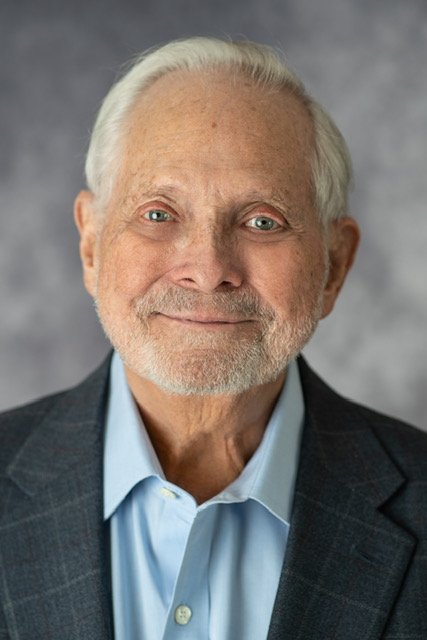
Dr. Wayne Nemeroff
Dr. Wayne Nemeroff is an industrial and organizational psychologist, author, and former professor in the School of Business at SUNY at Albany. He is the President and CEO of PsyMax Solutions, Human Capital Assessments, and the Nemeroff Consulting Group, where he has spent decades helping people — from front-line workers to Fortune 500 executives — understand their strengths, navigate change, and grow to their full potential. He is the creator of the Work Style Matcher™ assessment and the author of Shift: 21 Soft Skills to Navigate the Future of Work, a practical framework built around seven core capabilities and the 21 essential soft skills that AI cannot replicate. Known for his conviction that most people don't struggle at work because they lack technical skills — they struggle because their work doesn't feel meaningful — Dr. Nemeroff helps people find fulfilling, future-proof careers and build the human capabilities that will define success in the fourth technical revolution.
Here’s a glimpse of what you’ll learn:
- [2:00] Why Wayne believes the shift to AI and automation will hit far faster than most people expect — and which jobs are most exposed
- [5:00] The surprising reason roughly 89% of people who are asked to leave a job lose it over soft skills, not technical ones
- [6:00] How Wayne’s new book, Shift, turns 21 essential people skills into real, story-driven lessons anyone can use
- [7:00] The human capabilities AI will never replicate — empathy, judgment, decision-making, and truly understanding people
- [8:00] Why so many capable people end up miserable at work, and how to choose roles based on tasks and values instead of job titles
- [17:00] What the future of work could look like — including why Wayne thinks a three to three-and-a-half-day work week is coming
- [21:00] The blind spots that quietly derail even strong, results-driven leaders — and how a 360-style assessment brings them to light
- [26:00] Why recognition consistently ranks as the number one driver of employee engagement
- [29:00] The mindset shift from “I can’t change” to “I don’t want to change” — and why owning the difference matters
- [36:00] The “great mismatch” and the four-quadrant model of what you like versus what you’re good at
In this episode…
In this episode of Sticky: Stories That Stick, Amelia Forczak sits down with Dr. Wayne Nemeroff, an industrial and organizational psychologist who has spent his career being called in to fix the people problems no one else could quite name. Time and again, he found the same thing: when someone is asked to leave a job, it’s almost never the technical work that sank them — about 89% of the time, it comes down to the soft skills. And now, with AI poised to absorb the technical work faster than most people expect, those very human skills are becoming the thing that makes or breaks a career.
Together, they get into the 21 “people skills” at the heart of Wayne’s new book, Shift — empathy, judgment, communication, the kind of self-awareness AI will never replicate — and why so many capable people end up in work that quietly makes them miserable. They talk about choosing tasks instead of job titles, aligning your career with your actual values, and the “great mismatch” that traps people in roles that were never right for them. Wayne also pulls back the curtain on his coaching work, including the story of “Joe” — a tough, results-driven manager who was losing his best people and swore he couldn’t change, until a single question about a million-dollar check made him reconsider everything.
It’s a conversation about what it really takes to stay valuable as the ground shifts beneath all of us — the blind spots you can’t see in yourself, the difference between “I can’t” and “I won’t,” and the quiet realization that the work you were trained to do may not be the work that’s actually yours.
Resources mentioned in this episode:
- LinkedIn: Wayne Nemeroff
- PsyMax Solutions / Work Style Matcher – workstylematcher.com
- Shift: 21 Soft Skills to Navigate the Future of Work by Dr. Wayne Nemeroff – Read more
- Pithy Wordsmithery – pithywordsmithery.com
Transcript
Amelia Forczak: [00:00:00] Welcome to Sticky Stories That Stick. I’m your host, Amelia Forczak, and if you’re interested in storytelling or you just wanna hear some good stories, you’re in the right spot. Today, I have a very interesting guest with us, but first I just have to let you know that this episode is brought to you by Pithy Wordsmithery, a boutique firm founded by yours truly. I’m a New York Times best-selling ghostwriter, and I love helping people write and publish their books. My team and I have helped many authors turn their stories into bestsellers and their brands into thought leadership platforms. If you’ve ever thought about writing a book, check us out online at pithywordsmithery.com. Today, I have Dr. Wayne Nemeroff with me. Wayne is an industrial and organizational psychologist, a former professor at the School of Business at SUNY at Albany. He’s currently the president and CEO of PsyMax Solutions, Human Capital Assessments, and the Nemeroff Consulting Group. Wayne has dedicated his work to helping people recognize their strengths and understand the skills they [00:01:00] need to maximize their capabilities and grow their full potential, something that is especially needed as we enter the next industrial revolution where AI is changing everything. Wayne, thank you so much for joining me today.
Dr. Wayne Nemeroff: Oh, thank you for having me.
Amelia Forczak: So this is an exciting time for you because you’re about to be a published author.
Dr. Wayne Nemeroff: Yes. Yeah. Yeah, it’s something that I’ve thought about for a long time. Didn’t have the time. I was working too many hours a day, and then when COVID hit, sort of was stuck and started thinking about maybe this is a time for me to try, and I just started, you know, writing little things here and there, taking notes, two, three pages here and there, and then at some point I said, “You know, I think maybe there really is a book here.” And so that’s when it started. It had a sort of a start and stop over the last two years for a number of reasons, but we’re finally getting to the end. Yeah. It was a, a very big learning experience, the whole industry.
Amelia Forczak: Yes. [00:02:00] It can be a long road sometimes for writing a book with, like, fits and starts, but I’m very excited for you that it’s finally coming out, and I feel like you have such great content.
Dr. Wayne Nemeroff: Yes.
Amelia Forczak: So tell me about the book.
Dr. Wayne Nemeroff: Well, the book basically starts off with what’s happening right now and what’s gonna happen in the next several years. And I think people may not realize that it’s gonna happen much more quicker than they think it’s gonna happen. There are gonna be people that are gonna go have to major changes. Some certain basic jobs that involve more just pure technical skills are gonna go away ’cause, AI agents, robots are gonna take over. And then these people are gonna have to say, “Well, what do I do now? And is there a place for me in this new society?” Kind of like the same way people were off the farm and were put into these big industries, and they didn’t know what they were [00:03:00] supposed to do with the first revolution. And I think people are going to either deal with it and try to figure it out in a helpful way, but a lot of younger people, I think, are very nervous and almost in some ways angry about AI.
Amelia Forczak: Yes. You know, I’m seeing this with , just on social media, all of the commencement speeches, whenever somebody brings up AI, everyone boos and the speakers are-
Dr. Wayne Nemeroff: Yeah
Amelia Forczak: very surprised by this. But then online it’s like, oh, should they be surprised? I mean, this is the thing that’s scaring the crap out of everyone.
Dr. Wayne Nemeroff: I know some woman was very, very hurt, that’s a good speaker, and she had people, like, walk out and boo her whole thing. She couldn’t get through her speech, and she was very taken back by it because she was wondering why. But whether you boo it or hate it, to the younger, Gen Zs and the millennials, I’m just gonna say to them what everybody’s gonna say [00:04:00] to them, one way or the other, you’re eventually gonna have to deal with it. This is not something that is not gonna happen. It is definitely gonna happen.
Amelia Forczak: Yes. It’s crazy. Another thing I read recently talked about how, a percentage of the workforce is actively trying to sabotage their company’s efforts to implement AI, and it’s higher- Yeah … than you think. I forget exactly what it was. I think it was, like, in the thir- like, the low 30s for, like, you know, like, one in three people might be doing this at work. But when it comes to Gen Z, it’s more like, eh, 40-some percent.
Dr. Wayne Nemeroff: Well, you also have a very unique situation where a lot of these younger folks have been sort of out of touch for the last two years or three with COVID. So they’ve had a very unique, a pre-intro to the world of work, and what you’re finding is that leaders find they don’t have the norms and the sociabilities to work in a company, and people with very technical skills are being [00:05:00] asked to leave because they don’t know how to talk to people, they don’t know how to be a team player, they don’t know the interpersonal skills. They don’t know a lot of what I talk about in my book called soft skills or people skills which interestingly, more times than not, studies have been done, about 89% of the time when someone is asked to leave a job because they’re not a match, it’s because of the soft skills, not the technical skills. You very rarely say, “Oh, we missed it on this engineer or this IT or this accountant.” We do a pretty good job of having a number of experts test those people out. But when you come in there, they don’t fit because of what we call those soft skills. They just not know how to deal with other people. They don’t know how to end up making decisions. They don’t have good judgment. They don’t know how to end up communicating clearly. All these different things in interpersonal skills. They’re not resilient. They’re [00:06:00] not persistent. All the things what we list on these 21 skills in my book You don’t have to know all 21 of them, but for certain jobs, some of them are gonna be more important. And the more you can build these in your repertoire, the more likely you’re gonna be able to compete with other people. Because a lot of things that used to differentiate people were how good they were on the technical skills. And if robots are doing all of that, then leaders are gonna look for people who not only could do that, but everything being equal, how are their soft skills? Can they trust to delegate them and leave them on their own, and they’re gonna do what gets done without being having to follow up, you know, every two minutes? So all these things, I think, are gonna become increasingly important. AI will still be and the technical skills will still be paramount. You have to know those. But once those are equal the differentiator really could be, in the future your te- your non-technical skills
Amelia Forczak: Yeah. [00:07:00] That, that makes so much sense. So I, I have your seven park- seven-part framework in front of me. Yeah. And setting directions, number one. So you kind of have these, you kind of have these in order. So we’re talking about a, a person having purpose and vision and being able to prioritize what’s important.
Dr. Wayne Nemeroff: Yeah.
Amelia Forczak: And that’s something that AI needs a lot of context to be able to do, right? Humans can still do that better, and- Yeah … w- uh, we’re not there yet for AI. Are you scared that AI is gonna come into some of these soft skills at some point?
Dr. Wayne Nemeroff: I don’t think… There’s certain things that I don’t believe they’re ever gonna be able to do. They’re not gonna be able to have empathy. They’re not gonna have caring. They’re not gonna have judgment, decision-making, problem-solving that involve understanding people. There’s gonna be very specific skills that they won’t be able to do. But the whole idea of purpose I really latched onto that at the beginning, and being organized. I believe that there’s such a high percentage of people, [00:08:00] like about 60% of the people, and I’ve seen even up to 80%, would leave their job tomorrow if they could. Right now the job market’s terrible for these young people, but, it, it will get better. I know they don’t believe that, but it really will sort itself out. Unfortunately, it’s gonna take a little time. But if you can decide, “What do I really want to do in work? W- what do I love doing? What would I like to do every day?” Don’t think of it in terms of a job, think of it in terms of tasks. I love dealing with people. I love negotiating, for contracts. I don’t like doing a bunch of numbers and doing actuarial tables. I don’t like sitting in a room all by myself without interacting with others. Most people get jobs because they’re good at a particular area in school. I’m good in mathematics, therefore I was able to get a job in an accounting firm during my second year of college. I went to work. They offered me to come back the following [00:09:00] summer. They gave me an internship and some money, which was helpful, and then they offered me a job out of school. I’m not crazy about it, but I am good with numbers. I’m now maybe thinking of starting a family or already have a family. I have one child. And so I’ll take a job as an accountant, and it’s not a bad job. It’s a good job. And then about five, 10 years later, I’ll go in and I’ll be asked to work with this person because their productivity’s not good, they’re disenchanted, they’re disengaged. And you start talking to them and they say, “Dr. Nemeroff, I really don’t want to do this for the next 20, 30 years. It’s not a bad job, but I’m going crazy here. There’s gotta be something better in life for me to do. I am not happy. In fact, I’m miserable. I feel like I’m in a rut and I can’t get out of it. And I’ve got a mortgage and instead of sitting here and getting, you know, stuck, what do I do?” And I think, first of all, We do not do a good job [00:10:00] Of teaching people what to look for in terms of jobs. We basically all tie it to how good your grade point average is and what subjects you’re good at and what you like to do. There’s nothing wrong with that. That’s great. You should do what you like to do. But above and beyond, you should be choosing tasks or a job, and you should be choosing a company that match what you really wanna do that’s gonna make you happy and fulfilled, and you should choose a company whose values match your values. So if you’re a, if you’re a, a Ben & Jerry’s, which is a very liberal, progressive, do well with people, very people-oriented, and you’re working for a company that, you know, a higher tech company, which still cares about people, but it’s pretty much mu- much more of a cutthroat, higher powered, task-focused, you know, you either do the job or you won’t be here. If your values are not matching [00:11:00] that company, it’s a big reason why people leave. And third, people leave because they don’t like their boss. You should be looking at what’s good for you and get yourself into an area that when you look back, you don’t say, “I spent 50 years doing something that I really didn’t like.” It’s just amazing how many people do not like what they’re doing, and I think just because they’re not trained to sort of look at not just a job, but what do I really like doing and do well.
Amelia Forczak: Yeah.
Dr. Wayne Nemeroff: And get yourself… And then build skills around that as you go on. You’re gonna need technical skills. And we do a terrible job of it from school all the way into how we choose jobs, unfortunately.
Amelia Forczak: I just had a sales call with someone who’s interested in writing a book right before this, talking about how we need to do a better job of educating elementary school kids on the jobs- Mm-hmm that are available in the world because it’s really unclear to them, you know? Yeah. Other than it’s like, you could [00:12:00] be a nurse or a teacher or a firefighter. Like niching down into like, no, no, no, there are really like a million jobs out there. Here’s how you learn about them. It is hard.
Dr. Wayne Nemeroff: Yeah. Yeah. And you know, you go to a guidance counselor, and they could be great. They’re gonna take out all your scores, take out your vocation scores, but it’s all geared towards jobs. You know, are you a policeman or fireman, you know, are you a doctor? I mean, it’s not that you enjoy really, being organized and putting a lot of things together and trying to figure out how things fit together, and there are j- let’s look for jobs, because that will give you a purpose where you get up every morning and say, “I like what I’m doing.” It doesn’t mean every day has to be great, but for the most part, I’m enjoying this. And when you don’t enjoy it, go look for something else that maybe you enjoy more. Once you’re in that situation that I don’t like it, most people are stuck.
Amelia Forczak: Mm.
Dr. Wayne Nemeroff: You got a mortgage. You’re paying for a mortgage. Your kids are going to school. They don’t wanna leave [00:13:00] the area. Your wife or husband has a job. And now, how do you pull all that out? The job market right now is bad, so I’m afraid if I go somewhere else, it’s not gonna be any better, and I may earn less money. So you basically grin and bear it. And, and some people grin and bear it for a year or two and finally find something else, and it, because they’re looking at the same criteria, they may not find anything else that’s different to what they had. Or they end up, not finding what they want, and they get into a worse situation.
Amelia Forczak: Mm-hmm.
Dr. Wayne Nemeroff: Because they’re using the same old ideas of what will I do, and it’s usually, “I wanna make money. I wanna have security.” which is great things to have. But what else do you really wanna do that you’d love to… If money was no object, and you can do anything you want, what would you do-
Amelia Forczak: Mm-hmm …
Dr. Wayne Nemeroff: for the next 20 years, 10 years?
Amelia Forczak: I think that’s a great way of looking at it, a non-conventional way to think about work. Do you wanna work around [00:14:00] people or not? Do you wanna be client facing or not? Do you like your job to have a lot of surprises, or do you wanna know exactly what’s gonna happen? All of those can really affect your day-to-day so much. We worked with an author recently who wrote a book kind of on this topic, but for nursing, and it’s called Find Your Fit, and it’s about- Mm-hmm how so many people go into nursing and it ends up being completely different than they thought. Mm-hmm. And it’s because the job of being a nurse is totally different depending on what unit you’re in. If you’re in the ER, things are crazy. You never know what’s gonna happen. People are in and out. You never build relationships with patients because it’s so quick. If you’re in if you’re doing s- like surgery or you’re helping out with surgery, like you never talk to the patient, like ’cause they’re asleep, but you always know what’s gonna happen. And so it’s like an extremely different reality, like totally different situation that a lot of people don’t know going into that career path. And I would say that’s probably true for a lot of industries, [00:15:00] where it has like a very, the vi- the vibe is completely different depending on the job that you’re in, the company that you’re working for. So there’s probably just so much variation that if you are really aware of what you want and what doesn’t work for you, you’re gonna end up in a better spot.
Dr. Wayne Nemeroff: Yeah. And, and companies, you know, we do work, I do work for companies, a lot of organizational psychologists do, and, and we test them for personality tests and stuff like that. But the fact is, if you’re really good, i- in, let’s say, being a manager somewhere or doing something particular, but you’re not really that great with people and you tend to rub people the wrong way, more than likely you’re gonna get the job. But they’re gonna say, “We want you to work with a counselor to be able to learn that.” Well, people don’t change so easily. But the chances are, when pushing us from the shelves, they’re giving more weight to the technical skills than to the non-technical skills, feeling they can work that out. And when they don’t [00:16:00] work it out, which is many times, sometimes I have to let them go, sometimes I call in a person with me that tries to salvage it for them, and sometimes it works and sometimes it doesn’t. It really depends upon how much the person really wants to change. But in the future now, I don’t think you’re going to have as much of a choice, and I think companies, and I mention this in the book, I even know I f- I focus a lot on employees, I talk about from the company side. And from an organizational side, we’re gonna have to do a much better job of learning about what are the strengths and weaknesses or developmental needs of the soft skills, and how does that impact the balance sheet, including the hard skills. And if we miss it it’s gonna be an issue ’cause that’s going to come into play in total success. And, uh, it really is gonna be very different. I mean, there are people predicting now the [00:17:00] work is gonna change dramatically in the next 10 years. People are talking about a three-and-a-half-day workweek Some people are even saying three days is a very possibility within 10 years to 20 years from now. I mean, some people are even believing- So- And
Amelia Forczak: saying it’s going to
Dr. Wayne Nemeroff: be-
Amelia Forczak: So you don’t think we’re just gonna have to keep working harder and producing more for the same amount of money in the same time?
Dr. Wayne Nemeroff: It brings up, Amelia, the question of what are we gonna do? What are the social activities from a society standpoint? People work three days a week, they have all this extra free time. What do they do with that free time? And yes, money, uh, how do people earn the same amount of money, but they’re only gonna be working maybe 60% of the time that they used to work, at the beginning of the 2000s and now it’s 2048 and they’re only working three days or three and a half days a week. It has tremendous implications that I don’t know if it will impact us so much, but our kids, uh, I’ve got four [00:18:00] grandchildren, and I told them, “You know, what’s gon- what you’re gonna be dealing with is gonna be such a different world and work than what I grew up with.” Yeah. And it will be.
Amelia Forczak: Yeah. Tell me more about the soft skills. This is turning into something where now companies are actually going to be developing these helping employees develop these, which is not something that’s really happened in the past. They have all been focused on, like, technical training and that kind of thing. Do you have a story where a client maybe put work into developing one of these skills and that totally changed someone’s trajectory or changed their business by focusing on some of that stuff?
Dr. Wayne Nemeroff: Yes, I do. In fact, in each one of my chapters, there’s 21 chapters in, in addition to an introduction and conclusion, I give a kind of a, uh, short story of 21 different people, real people, and we tie what they did and learned into the soft skills. So it makes it much more realistic. [00:19:00] So you’re gonna get 21 different Reader’s Digest kind of synopsis at the beginning of each story. And we’re also gonna have, if you have a job, what are the implications if you do the skill well, and what if you don’t do it well? And then at the back end of the book, we’re gonna say, “If you wanna build this skill to be stronger, here are very specific things to do. And if you need to add this skill to your repertoire, what’s called upskilling, here’s what you need to do.”
Amelia Forczak: Hmm.
Dr. Wayne Nemeroff: Yeah. So there’s a lot of stuff. We’re not just saying have it, we’re giving you a kind of a, almost a workbook of exactly, if you choose to do it, what to do.
Amelia Forczak: Yeah.
Dr. Wayne Nemeroff: But here’s a story
Amelia Forczak: of one- Give me a little preview here or a story, yeah. What… Give me, give me- Yeah … something juicy here for- Yeah, so it’s- … for stories That Stick.
Dr. Wayne Nemeroff: Yeah. That’s usually what I got… I usually am called in for this kind of stuff. It’s, here’s a manager. He was a very top manager, highly technical business, and he kept on having [00:20:00] people that were working for him and around him that, in a couple of cases, were ready to quit. They tried to hold him back as a… It was a startup mom and pop business that turned out to be a very huge company. Bought companies and sold companies. And so they didn’t wanna lose this guy who was with them for a long time, but they also had other people that had grown up with the company that were like part of the family and they didn’t want them to lose. So they called me in, I talked to him and I s- his main issue is he’s an old-timer, he’s kind of gruff, he gets things done and he makes a lot of money for the company, but things, you know, r- really are very, very to the point. If you need to get something done, you don’t miss it. A deadline is a deadline. And so people learn to do that, but he didn’t say it necessarily in a very diplomatic way, huh? He was very blunt. Straightforward, uh, candid if you wish to a fault, [00:21:00] and he was blowing people out of the water. And I said to this guy, let’s call him Joe, that’s not his name. I said, “Joe, you’re causing a lot of problems with these other people.” And he was given some feedback, so I’m not telling him something he isn’t. “And they, they have trouble working for you, wanna be changed to some other place, or wanna leave the company. And obviously these are good people bec- you know, I don’t assume you don’t wanna leave, and the company doesn’t want to lose. So what can you do?” He says, “Wayne, I don’t think right now,” he says, “I’m close to 50 years old, 47 years old.” He says, “I don’t think I can change. I am who I am. If I start becoming a nicer guy and things start getting not done as well and missing deadlines, and we don’t get the productivity out to the extent we got it out, then I have a big problem because, one, it’s gonna make lose money, and two, I take pride in, in my production.” I said it’s not just a matter of being a nice [00:22:00] guy. These soft skills are not just being nice so people walk all over you. They’re skills that you can learn, interpersonal skills that talk about how to do things. For example, let’s take listening, a basic skill. This guy’s not a listener. He tells you what to do, and he says, ‘Just go do it.’ Uh, and some people aren’t sure exactly what he wants but they’re afraid of him, so they don’t go back and say, ‘Joe, tell me again what you wanted,’ ’cause they’ll feel Joe will think they’re stupid. So they go in and do it, they do it wrong, and, uh, Joe obviously hits them over with a, a two-by-four.” So I said, “By stopping and saying at the end of a meeting, ‘Is everybody on board? Does every everybody understand what to do? Are there any questions? It’s perfectly okay at this point in time to ask questions if you don’t understand it.’ And do what’s called paraphrasing, listening, clarification.” Paraphrasing is what I [00:23:00] see you’re telling me, Amelia, is that in the area of the Trex line, you’re not sure how they’re fitting together and that you think there’s room for improvement. Is that right?” “Well, yeah, Wayne, but there’s more than that.” “All right. Well, tell me more, please.” clarification is also something like that. Summary is, “Okay, so here’s what we decided to do. One, two, three. Is everybody agreeing on that? Why don’t we write up a summary of that and give it to anybody, and if you have any other questions, come and ask me.” That’s not being a nice guy. That’s in-increasing the likelihood that your people know what to do, and they’re not afraid to ask you. And I said, “I’ll tell you how this style comes about. Let’s take four different kinds of soft skills.” One is feedback. You give feedback. Somebody does something, you tell them they did a great job or they didn’t do a great job. Okay? Your feedback scores that you end up telling in a very direct way when you don’t do things [00:24:00] well. Yeah, let them know about it so they don’t do it again. No, it’s fine. Your praise quotients of giving them encouragement and telling them when they do something right is near the bottom, like 12%. He says, “You know, these are big men, Wayne. I don’t have to go and tell them, pat them on the back, and yada, yada.” I says, “Well, it’s not telling them on the back, but when you let somebody know what they did and it was done well, you reinforce that behavior. ‘Cause you think they automatically know that that’s a great behavior that they should continue. Maybe they do, and maybe they don’t. You’re missing an opportunity to reinforce behavior you wanna see repeated.” All right?
Amelia Forczak: Such simple-
Dr. Wayne Nemeroff: Now let’s- …
Amelia Forczak: things, but people don’t know that, right? Right.
Dr. Wayne Nemeroff: Now, if you take and you look at your task orientation, it’s off the board, meaning you’re very results-oriented, very much task-oriented, results-oriented. That’s how you get the numbers. But your empathy scores [00:25:00] are very low.
Amelia Forczak: And just to be- When you see- Just to be clear so everyone’s following us, you’re getting these scores from assessments that you’ve done.
Dr. Wayne Nemeroff: From a session that I ran from him on a, a scale we call the work style matcher. It’s a questionnaire that I’ve developed. And you get feedback, and you tie some of that data in that he’s getting. You can do it either by the person himself or by 360, meaning you can have peers write reports, bosses fill it out. But I always go in with some data or at least interview other people, so I’m not just getting what he tells me-
Amelia Forczak: Yeah
Dr. Wayne Nemeroff: I’m sharing what o- observed data.
Amelia Forczak: So it’s like, here’s how
Dr. Wayne Nemeroff: everyone- Now I have the information. I’m giving him… I’m opening up his blind side. Now, he could disagree with it, he can fight it, but you know, there are ways a guy say, “Hey, at this point, th- rather than fight it, just listen. You can do what you want with it.”
Amelia Forczak: Yeah. That’s it … but- That’s so interesting. I think it’s something that people people who do a lot of 360s, sometimes they dread it. It’s like an anxiety thing, [00:26:00] but it ultimately makes people better, or it’s supposed to give constructive constructive feedback or the opportunity for your consultant to come in and give you constructive fee- feedback where it’s like you’re in the 12th percentile for praise. You never tell anybody they’re doing a good job. How do we, like, first of all, show that it’s important to do that and show the value, and see how it also fixes other issues by doing that?
Dr. Wayne Nemeroff: And giving praise and encouragement is, is important for people, even experienced people. Doesn’t mean you have to overdo it, but just let them know when they’ve done something. I think everybody wants a little bit of encouragement- Yes … that they’re on the right track.
Amelia Forczak: Yes. You know, I, my very first book that I ever wrote, I worked for an employee survey company, and we- Mm-hmm … used data from over a million people on what, what made them engaged at their job. Back then, everyone was talking about employee engagement. The number one thing was recognition. It’s just, just thanking people and, and telling them that they did a good job was more important than anything else. Like, if [00:27:00] they… Even more important than, like, they feel passionate about their company’s mission, or they like their boss. If they’re getting just general feedback that they’re appreciated, that’s the number one thing.
Dr. Wayne Nemeroff: Yeah. Yeah. And you know, before I walked into that meeting with Joe, I already knew he did that. Why? A uh, one of the… W- whatever graphs you use, whatever tests you use, and there’s a lot of them, organizational psychologists use different ones. The ones that I use, they paint the picture, and you not only look at a score, you look at combinations. So I looked at Joe as low on empathy, high on task, and he’s high on feedback. What do you think the odds are of him giving more praise or more criticism? High task, low empathy.
Amelia Forczak: Yeah.
Dr. Wayne Nemeroff: Probably he’s gonna kick him in the rear end before he’s gonna pat him on the back. And he say, “All right, so, so you knew that?” I said, “But you know what is… it tells me you have a problem?” He said, “What?” I said, “Look at your communication skills.” [00:28:00] Communication on this instrument is telling people what you want them to do with a high degree of clarity. All right? So if you’re not clear, if you say, “Wayne, I want you to do this, this, this, and this,” and I walk away thinking, “What the hell did she just say?” I scratch my head, I’m not sure. But if I if you’re a Joe kind of person, I’m not going back and asking her, I’m just gonna do it. Chances are I’m not gonna do it exactly the way you want. And then when I don’t do it, the Joe comes down, gets pissed, and hits me over the head with a two-by-four. So in effect, he’s creating a gotcha He’s setting them up not to really understand. He’ll always say, “Well, they can always come and ask me.” And you say, “Joe, no, they can’t. You think they can, but they really can’t.” And then when they don’t, you let them have it really good. So people are walking around on eggshells. I don’t have to do an expensive attitude survey to know there [00:29:00] are issues in your group with you, and that’s just one example of one combination. And most times when I review with people, hopefully it’s an eye-opener and they don’t walk out threatened, but they walk out that they just were given a gift to get more insight into something they didn’t realize they were doing. Now, whether they wanna change, whether they think they have the ability to change, who knows? But Joe swore he couldn’t change. So I said something with Joe very… I was sitting in a room with him, and I was going back and forth. I said, “Joe, tell me, okay, you don’t wanna change. Don’t tell me you can’t.” And the reason I said that is you say, “I don’t want to change,” you’re taking responsibility ’cause y- it’s you that’s just saying don’t. If you tell me you can’t, there’s too many things in the way, then you’ve empowered other things to take, to be responsible that you can’t do it. I said, “Let me ask you this. If I [00:30:00] were to write you a check right now, in the next six months, we can work together, and you can ask open-ended questions, and you can do better listening, and you can do end-of-following-up, making sure people do it without being, okay, so harsh.” You’re still gonna have high standards, and you’re still gonna make sure they produce at high levels, but you’re gonna gradually fine-tune and bend a little bit, okay? You think if I wrote you a check for a million dollars… Well, he laughed. He said, “Wayne, you don’t have a million dollars.” I said, “Let’s pretend I did. Let’s pretend I had $10 million. I just won a big, big, let’s say, lotto, and I were to sincerely offer you that amount of money. What do you think the odds of you changing in six months or not?” So he laughed. He says, “Well, I’d probably give it a shot for your money.” So I say, “Don’t tell me you can’t change. Tell me there’s not an incentive for you to change that you think is worth it. So now you’ve got it aside. Do you want to keep on doing what you’re doing, possibly losing your job or causing other people to [00:31:00] leave the company or not?” And he laughed. We started developing some trust, and within about six months, he didn’t become Mr. Nice Guy, like great overnight, but he learned to emit behaviors that were much more effective in dealing with his people, and everything calmed down. Now, not all of those are winners like that. It’s not all that easy. But that’s an example of showing them the blind spot and understanding what their behavior’s doing. ‘Cause most people don’t understand or analyze their behavior. Yeah. And that’s really what a coach does.
Amelia Forczak: Well, it’s, it’s tricky ’cause you have 21 different things on here, and I’m looking through these thinking, I’m like, ooh, what do I need to get better at? And there’s so many things- Yeah … that I think that it’s like, it is genuinely difficult to be good at all of these at the same time. It’s 21 things to focus on, right? Like, even if we’re decent at these, like I’m sure everyone has room to improve that would make a noticeable difference to the people you work with.
Dr. Wayne Nemeroff: It would, but [00:32:00] you don’t all do all 21. First of all, you’re probably good at a number of them. You may not realize it, you’re probably better than you think. You’re just doing it unconscious competence. You’re doing it, but you’re not sure why you’re– how you’re doing it. The other thing is, you start off by looking at your job. So if you’re gonna get a promotion, should I take it or not? What are the skills that you don’t have? So let’s say you’ve never done strategic planning, but you’re very good at day-to-day strategic working and finding out what to do. You’re very good at a lot of things that job needs, but you’re really weak in strategic planning. Then I would say one of the upskills is you’ve got to learn to b- now to do a better strategic planning. What’s your developmental plan to do strategic planning? So if you’re in your current job and you’re not fully effective, and you get a performance review and your boss says, “You’re weak on, you know, uh, being a team player. You tend to be much more independent and just write texts to people, but you really don’t collaborate and f- people don’t feel you’re part of the team. [00:33:00] You’re not a partner with them, partnering.” So that’s something that your boss wants you to do, other people want you to do. Says, “Well, Wayne, I really am an independent guy.” I said, “I know, but in this organization, I once had a group that came in that bought a company that their whole culture was collaboration. They worked in small groups with a lot of inter- functional cross out, crossing of different boundaries. And they took over, and this guy, after a while, we feel he’s got to do better, and he said, “I don’t think I can. I’ve never b- uh… Not that I don’t wanna be a collaborator, it’s just I’m an independent guy. I tend to see do something, and I, I don’t want to go and ask a bunch of people what to do because they slow me down. I just go get it done.” So it’s another one where I was called in, and then sometimes it comes down to a choice. If you don’t wanna do it, you know, that’s fine, but understand the consequences. If you don’t wanna do it, eventually they’re gonna ask you to leave, or you’re gonna have to [00:34:00] pick up and leave. What happens sometimes is worse when you have a lack of engagement, is people always aren’t asked to leave right away, and people don’t pick up and leave right away, like right now, today’s environment. They do what I used to say, they quit and stay They do just enough to get by, not to get fired, but they’re not really giving it their all. ‘ Cause they’re not happy. They’re not engaged.
Amelia Forczak: That’s what I was just thinking. Um- It’s not just the company, it’s like the person’s miserable doing that, you know? Yeah. It’s like they have a job, they’re getting paid, but no one wants to no one wants to live like that.
Dr. Wayne Nemeroff: No. And you know, and at the end of the book, I start talking about philosophy and stu- in terms of what it’s all about and what’s work really meant to be. And you’re not supposed to spend the majority of your life, 70% of the time, doing something that you don’t enjoy. Mean, isn’t that a shame that so many people really don’t like their work, their [00:35:00] job? We’ve gotta find a better way, and I, I think as we go down to a smaller work week and as we get rid of a lot of these technical jobs, it’s gonna increase more for people to find something. W- what do I do in this new modern world? And I don’t wanna redo what I did in the past. Maybe this is an opportunity for me to find something that I didn’t know I like, but I really do like And you see people that give up 350,000 jobs and go and open a little store and open an art store, and they’ve always wanted to be an artist. They’re not great artists, but they love selling paintings and on commission, and they are happier than a pig in you know what. And they never would’ve done it. Uh, they’re not making 350,000, but these aren’t clients, these are friends that, “Wayne, I’ve never been happier in my life. I am so s- less stressed. I’m enjoying what I’m doing.” He says, “I, I just… I w- I don’t… I’m so happy I [00:36:00] recognized this.” So I think it’s important for all of us to find, what is our life about and what, what do we really wanna do for the few years really that we’re here? And, uh, it goes by fast, I’ll tell you. Faster than I
Amelia Forczak: thought at this point. Aw. I, I love that this book is a call to find a job that you really enjoy, and it’s a, I think it’s a great read for anyone, especially younger people who are entering the workforce, or anybody who’s kind of just, eh, they feel eh about their job, right? To figure out- Yeah what are the skills and what are they interested in, and figure out really where their strengths are, that they could apply that and be in a situation where they’re happy.
Dr. Wayne Nemeroff: Yeah. And what are their values? Values are important too. You read values. If your values aren’t aligned… I, I, there’s a thing about the great mismatch that I, I came up with this term, and, uh, you talk about your other person that wrote [00:37:00] Fit. I do talk about you have to find the right fit job for you. What do you have going for you and your strengths and limitation that you do and y- and enjoy doing? There’s actually a matrix you’ll see in the book that talks about four different, “I like my job. I don’t like my job. I’m good at it. I’m not good at it.” And those four quadrants have all four different implications.
Amelia Forczak: Yeah. That’s amazing. Well, I’m excited for the book to come out. It should be happening soon, so by the time this episode comes out you should be able to get it online. Wayne, where can people go to stay connected with you?
Dr. Wayne Nemeroff: They could reach me at wnemeroff@psymaxsolutions, and I’ll spell that. P-S-Y-M-A-X Solutions, S-O-L-U-T-I-O-N-S .com. I have a Gmail, that’s my personal one. That’s… And the website, if they want to check it out, [00:38:00] is at www.workstylematcher.com. You don’t have to buy their, their thing, but that will show you how these things can be done on the internet. You can do it on yourself or you can do it on somebody you wanna hire, but it gives you an idea, and we’ve been running that website for a long time with many clients.
Amelia Forczak: Amazing. Well, Wayne, thank you so much for taking the time to join me today. I really appreciate it.
Dr. Wayne Nemeroff: Oh, my pleasure.
Amelia Forczak: Amazing.
Dr. Wayne Nemeroff: Thank you for inviting me.
Amelia Forczak: Yeah. So again, I’m Amelia Forczak, I’m the founder of Pithy Word Smithery, and to quote Toni Morrison, “If there’s a book out there that you wanna read but hasn’t been written yet, you must write it.” Join us next time.
Never miss a story that sticks
Subscribe to Sticky: Stories That Stick on Apple Podcasts, Spotify, or Amazon Music so every new conversation lands the moment it drops.