
Where Beauty Meets Science: Real Talk on Aesthetic Dermatology With Dr. Lycia Thornburg



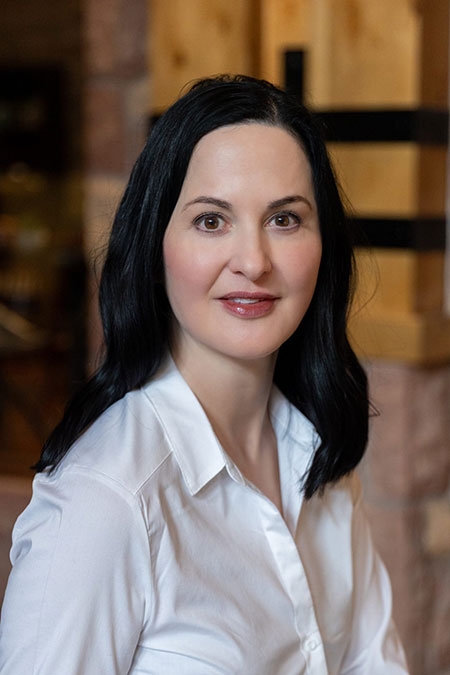
Dr. Lycia Thornburg
Dr. Lycia Thornburg, MD, is a board-certified dermatologist, nationally recognized speaker, and bestselling author redefining the future of medical dermatology and aesthetic medicine. She is the founder of Lycia Thornburg, M.D. Dermatology, an independent practice built on a commitment to ethical, patient-first care where science, safety, and natural results guide every decision. With over 20 years of clinical experience, Dr. Thornburg is known for her advanced expertise in injectables, laser technology, and comprehensive skin health. She is the author of Chasing Beauty, a national media expert for the American Academy of Dermatology, and a contributor featured in Better Homes & Gardens, NewBeauty, and Byrdie. She is also the founder of Made for Shade, a nonprofit dedicated to improving sun safety for children through community-driven initiatives. Known for her signature philosophy, "Botox should whisper, not shout," Dr. Thornburg was recently named an Allergan Aesthetics national flagship provider — winning out of 16 states — and just opened her own solo practice housed in a reimagined former bank building in the Black Hills of South Dakota.
Here’s a glimpse of what you’ll learn:
- [1:00] Why Dr. Thornburg made the bold decision to leave a 50-doctor group practice and go solo — and what her first full week felt like
- [3:00] How a former bank became a living room lobby: the design philosophy behind her stunning new clinic
- [7:00] The accountability coaching style Amelia used that pushed Dr. Thornburg to reach out to experts — and the life-changing connections that came from it
- [9:00] What Dr. Thornburg learned from the chief scientific officer at Allergan Aesthetics and how those research deep-dives changed her clinical practice
- [11:00] Why the aesthetics industry is called the “Wild West” — and how patients can protect themselves by vetting their providers
- [16:00] How to tell if your skincare is truly pharmaceutical-grade (and when it’s just advertising)
- [20:00] Lasers demystified: what “resurfacing” actually means, why modern treatments look nothing like the 1990s, and why Dr. Thornburg lasered her entire staff
- [28:00] How winning an Allergan Aesthetics national flagship — beating out 16 states — is transforming her new practice into an experiential skin health destination
- [29:00] The origin of Made for Shade: how an article about playground shade sparked an 18-year community health movement
- [39:00] Why aesthetic medicine isn’t vanity — and how patients seeking Botox have had their skin cancers caught in time
In this episode…
In this episode of Sticky: Stories That Stick, Amelia Forczak sits down with Dr. Lycia Thornburg to discuss the intersection of science, ethics, and entrepreneurship in aesthetic medicine. Dr. Thornburg shares the story of leaving a 50-doctor group practice to open her own solo dermatology clinic — a fully reimagined space that doubles as an Allergan Aesthetics national flagship.
Together, they go behind the science of Botox, fillers, lasers, and skincare products, cutting through marketing noise to show what rigorous clinical evidence actually looks like. They explore the technology behind modern laser treatments, the difference between marketing claims and real skincare science, and the book-writing process that deepened Dr. Thornburg’s expertise and expanded her professional network. Dr. Thornburg also speaks candidly about the ethics of the aesthetics industry, the importance of providers continuing their education, and why rising tides should lift all ships — not create competition and gatekeeping.
She also shares the story of Made for Shade, her charity dedicated to skin cancer prevention for children. And she recounts how a last-minute seat upgrade on a plane set her entire journey in motion. It’s a conversation about what it really takes to go from dreaming about a better way to actually building it — the version of yourself you have to outgrow, the risk you almost talk yourself out of, and the unexpected encounter that changes everything.
Resources mentioned in this episode:
- Dr. Lycia Thornburg MD Dermatology – lyciathornburgmd.com
- Instagram / Linktree: @lyciathornburgmd
- Instagram: @capturedbeautyaesthetics
- LinkedIn: Lycia Thornburg
- Chasing Beauty by Dr. Lycia Thornburg – Available on Amazon
- Made for Shade – madeforshadesd.com
- SkinMedica – skinmedica.com
- Allergan Aesthetics – allerganaesthetics.com
- Chris Dyer – chrisdyer.com
- Pithy Wordsmithery – pithywordsmithery.com
Transcript
Amelia Forczak: [00:00:00] Welcome to Sticky! Stories That Stick. I’m your host, Amelia Forczak. If you’re interested in storytelling or you just wanna hear some good stories, you’re in the right spot. Today, I have a very interesting guest with us, but first, I just have to let you know that this episode is brought to you by Pithy Wordsmithery, a boutique firm founded by yours truly.
I’m a New York Times bestselling ghostwriter, and I love helping people write and publish their books. My team and I have helped many authors turn their stories into bestsellers and their brands into thought leadership platforms. So if you’ve ever thought about writing a book, check us out online at pithywordsmithery.com.
Today, I have Dr. Lycia Thornburg with me. Lycia is a board-certified dermatologist and author and the founder of Lycia Thornburg MD Dermatology. With over 20 years of experience, she’s passionate about helping patients feel confident through natural results. She also brings a strong voice to the industry around aesthetics the right way, with safety and ethics at the center.
Lycia, thank you so much for joining us. [00:01:00]
Dr. Lycia Thornburg: Thank you for having me.
Amelia Forczak: I feel like we should just cut right to the chase and say my face looks so much better after having met you.
Dr. Lycia Thornburg: You have always been beautiful. But it was fun helping you on your laser journey. You were… You hadn’t had any really, right?
Amelia Forczak: Yeah, it’s funny. We didn’t even really do any — I feel like I’m just using better products, I’m getting better Botox, and I’ve now had my face lasered a couple times, and it’s made a huge difference.
Dr. Lycia Thornburg: 100%. And I think using the right products and protecting your skin, first from the sun every day, that’s such an easy thing for people to do, and they forget to do that. Is a game changer.
Amelia Forczak: Yeah. You have so many good tips, and I wanna dive into all of that. Tell us a little bit about what you do. I know you have some exciting big news about your recent opening.
Dr. Lycia Thornburg: So I’ve been a board-certified dermatologist for a couple decades here in the beautiful Black Hills of South Dakota, and my practice that I was a part of was [00:02:00] acquired by a large hospital system, so I decided to pivot and really make a bold choice and start my own practice by myself. This has been my first full week that I’ve been open. I’ve seen my longtime patients that are coming through the door, but in a new space that I’m so proud of, and it’s just been a really magical week where this has been everything I’ve ever dreamed of — what if I could control the entire experience from start to finish that a patient has when they come to see me, the phone calls, the lobby, everything. I think I’ve created a beautiful space, and I’m really proud of it.
Amelia Forczak: Oh, I love that. I wanna see it. I’m picturing you in the old space where you were one of many doctors, and it just… It felt like a doctor’s office, right? You go in and you do the thing. What does it feel like now?
Dr. Lycia Thornburg: So now you walk into a building that I bought, and it used to be a bank. When I first bought it, I thought — okay, I could live with green marble. They had these walls that were green marble all when you [00:03:00] walked in, and these teller booths, and very 1990s bank feel. And then I woke up middle of the night, and I was like, “Nope, I can’t live with green marble and green wallpaper.” And so we gutted everything down to the exterior walls. My husband is an engineer, and he designed the whole space. The lobby is more of a living room concept. It has a fireplace. Off to your left it has an eight-foot custom-made reception desk with quartz and copper, and with patina. We hand-made cabinets that are arched to highlight things that are special to me. There’s a beautiful book on the bookshelves there that —
Amelia Forczak: Yeah. Tell us about the book.
Dr. Lycia Thornburg: So I wrote a book with the wonderful help of Pithy Wordsmithery, Amelia, and it was a great experience. 15 months we spent together, and I feel like when we were done I missed you.
Amelia Forczak: Yeah, I know. It’s so weird. We have such a close working relationship, and then it’s “Okay [00:04:00] here’s your baby.”
Dr. Lycia Thornburg: Yeah. And it’s almost like therapy when you write a book, right? You think you wanna do this, and you start doing it. To me it was more work than I ever could imagine, but more rewarding than I ever could have imagined. And so I’m really proud of it, and I feel like it was worth everything I did to be a part of it. And Amelia, the silliest things would stress me out, like making endnotes. Like, why was that stressful? I don’t know. It’s been a long time since I’ve done an endnote. I’ve been a doctor, right? I’m not doing writing. But the things that really made me grow were like, “Lycia, you have to contact these sources.” And I’m like, “What do you mean?” And you’re like, “You have to call experts and have conversations.” And I’m like, “What if they say no?” And you’re like, “Then they said no. You’ll call someone else.”
Amelia Forczak: You know — what’s funny? That’s the part everyone hates. Every author I work with, that’s the part that most people dread, if not just because it’s time-consuming and they have to deal with the logistics of reaching out to people, but it’s uncomfortable to contact [00:05:00] people you don’t know and say, “Hey, I’m writing a book. You’re an expert. I respect you. I’d love to chat with you,” ’cause it makes you vulnerable. But when you did that, what did you find?
Dr. Lycia Thornburg: Okay, you were so right though, ’cause I was so frightened. And the majority of the people are so generous with their time, and I found that most people wanna help share their knowledge. Now I have a network of friends throughout the country that are experts in all different areas. One of them is trying to fly back for my grand opening next month, and he has a practice in Vegas. Yeah, I consider him a friend. We speak probably every other week now, Trevor Larson. And I remember during the interview I thought, “I wanna have a practice like his.” He feels so impassioned and is able to do it from start to finish how he envisioned. That’s what I want. And then I spoke to a Georgetown professor who I thought she’ll never speak to me, Dr. Christopher. She’s world-renowned. And she spoke to me, and it was an hour of the best conversation I had about things [00:06:00] in diversity and approach to ethical aesthetics that I’d never considered. And just on and on the stories go that made me grow as a person, and you can’t quantify how much writing that book did to make me who I am today. It was amazing.
Amelia Forczak: I love that. I feel like you understood the assignment, and you did it. Not everybody does it. Sometimes it gets put off, and people don’t end up with that many interviews in their book. But when you reach out to different sources, it helps you get better content. You learn more, and it deepens connections. And so when your book launches, you have this whole network of supporters, and you’re saying great things about them in the book — it’s a very productive exercise for the book-writing process, and enjoyable if you can actually lean in and do it. And so I’m so glad you actually got to do that.
Dr. Lycia Thornburg: But you’re giving me too much credit because I tried to put it off and you didn’t allow that. You have a way where you’re not mean, you take no prisoners. You’re like, “Nope, you have this [00:07:00] assignment. We’re gonna circle back.” And so I was like, “Oh, my gosh.” And so you really forced me to do it ’cause I tried to wiggle out of it time and time again. And it’s your coaching. You have the right touch about getting people to do that and believe in themselves. There’s another plastic surgeon that I got to speak to who’s in Utah, and I feel like he’s a friend now. And in fact, he is. I’ve referred so many patients to him. He’s taken such good care of them because we met through the book interview process. On and on, the stories go about people I connected with that now are a part of my everyday life. But that was you ’cause I tried to get out of it. And usually in my day, people do what I want, right? I’m in charge, and you were like, “No, you’re gonna get your interview.”
Amelia Forczak: That’s so funny. ‘Cause it’s gonna help you, I know. I feel like I don’t wanna be, like, bossy, but I’m like, “No, you should do this.” Okay, so you’ve got all these great stories for the book. I know you were also doing a ton of research. You’re an academic. You really love the researching, tell me about what that was [00:08:00] like.
Dr. Lycia Thornburg: I started flying to these conferences to learn everything to the 10th degree. And you were kinda like, “What?” I flew to eight places. Do you remember all these conferences? And I met with the chief scientist from all these different companies, and I pulled research papers and had all these meetings. And it was so exciting because I was able to meet with the chief scientific officer from Allergan Aesthetics, which is the largest aesthetic company in the world. And I was able to —
Amelia Forczak: That’s the maker of Botox, for everyone who doesn’t know that.
Dr. Lycia Thornburg: The Botox, Juvederm, all the things that we love every day. And I was able to read these studies about the science behind the products and really understand it, and then do my own literature searches and read about other competitors on the market and pluses and minuses of the science for these products, and really put that in the book of telling other people in the industry like I am, “These are the things that you should thoughtfully be evaluating when you’re choosing what to do for your [00:09:00] patient,” and really lay it out there. And I was able to add some of these charts and these assay studies that took me six months of approvals from really high up the corporation chain. It was pretty exciting. And now when I met with some people last night to go over the science side of it, and they were like, “How do you know all this?” And I’m like, “From writing my book.”
Amelia Forczak: This is so important because I think that before we started working together, I didn’t even know that much — that there was that much to Botox and other fillers. Filler’s a little bit more complicated. But Botox, it just kinda seems like they’re like, “Smile,” and then they figure out where the wrinkles are, and they put it there, right? But that’s actually how you can get your Botox a little bit messed up. I had one eyebrow that was starting to get higher than the other one, which I was like, “What is happening here?” And when we talked about it, you were saying they probably put it too close to the midline. It needs to be out a little bit more. Because I was getting Botox [00:10:00] from a doctor. Not all Botox providers are doctors, but mine was my gynecologist. And we started talking about is that the right person to do Botox? Maybe. Maybe not, though, right? Because it’s almost as a patient, it’s almost a crapshoot when you’re trying to think of or figure out how much experience or knowledge your provider has because the licensing and the certifications — it’s not standardized, right?
Dr. Lycia Thornburg: We talk about that so much in the book. And we really talk about the fact that it’s really the most rapidly evolving specialty of medicine. We have that chapter called The Wild West, I think, and we talk about how it’s just evolved so quickly. And people aren’t able to regulate the change that fast. And so patients, the onus is on them to do the research and find out who the best fit for them is as an injector. And we talked about ways to do that and what to look for and what was important. And I remember we would circle back, and you’re like, “But wait, how do I find this where I live?” And it’s hard, [00:11:00] right? It’s hard to find who the best fit is. And we talked about before and afters on their website was really important to see their work. And there’s just a lot that we dove into. Those chapters were really hard to understand.
Amelia Forczak: So as a patient, it’s important to know that you should do your research. Not everyone has even close to the same knowledge or background. And so part of the book here was to inspire providers to go above and beyond, to continue their education and do the extra courses, and share the new techniques that are coming out every day. There’s always new research. And then also help patients find the people that are going above and beyond.
Dr. Lycia Thornburg: 100%. That’s exactly the point of it. And we talked about how a lot of times you think that just because they’re in a certain specialty, that they’re gonna be the best for you. But there’s subspecialties of other types of medicine, there’s really some people that have leaned into doing this and other people that haven’t. And we talked about [00:12:00] some of the people that I learned from were unexpected sources, right? That taught me some of the greatest pearls. And so I talk about that in the book, that it humbled me to realize that I learned from some people that I really gave some big shout-outs to that were different backgrounds than I had.
Amelia Forczak: Yeah. So sometimes maybe it’s not a doctor, maybe it’s a nurse, and every state is different for licensing, right? So it could be a PA that has just done a ton of that kind of work, and they’re great at it.
Dr. Lycia Thornburg: 100%. And I talked about it’s very unkind to be unkind on social media at people when they’re coming into this space, and that we need to work together as a community to share our knowledge and lift up each other. Rising tide rises all ships. And so that’s the approach we should do, and that benefits our patients. So that was really… Remember I was nervous about that part, too? ‘Cause I was like, “Oh, [00:13:00] I’m telling everyone to play nice in the sandbox. How are they gonna like that?” But I think it needs to be said.
Amelia Forczak: I love that, right? I’m not in the healthcare industry, but you wouldn’t want people looking down their noses at one another for their level of experience or anything like that — because the expertise isn’t always tied to degrees and whatever. I think it really is tied to the desire to learn and get better.
Dr. Lycia Thornburg: I agree. Yes, 100%. And in learning about the science, some of those people with different backgrounds know the science more than anyone. And we talk about knowing the products differently. I talked a lot about when I said Botox in the book, I was specifically talking about Botox, and it’s a brand just like Kleenex is a type of tissue. And so we were really intentional about that because there’s big differences of the different major five botulinum toxins that are approved in the United States, and that Botox, one of the reasons I respect them is [00:14:00] they make their own product from start to finish, and they’re the only one on the market that does that. They don’t outsource any step of it. And just like a fine champagne, they keep a portion of their lot back in storage to find out if there’s ever a problem, they have a way to go back and study that. So they are really thoughtful about it, and that, to me, was important to talk about because that’s going above and beyond what’s required. And so there’s different examples like that amongst all these different products that I tracked down and went to meetings and found out and made sure I shared, ’cause it’s hard to find all that stuff out.
Amelia Forczak: It is. It’s also tricky to know what to believe online because so much of the information, the people have a stake in it, right? They’re like, “Buy this product. It’s great.” And so as a consumer, it’s like, should I be using snail mucin? Should I spend $200 on this? Like, how do I know? And so I think for products it’s especially confusing, so we had a whole chapter on that. Tell [00:15:00] me a little bit about products.
Dr. Lycia Thornburg: I’m so glad you brought this up. So many patients will put something in that Yucca app or they will talk about a cosmeceutical, and not everything is equal. I want to look at something that’s been studied to a pharmaceutical level. Does it have a 12-week study? Does it show before and after biopsy? Did you have a control group of people? And so many times when I’ve talked to representatives from different companies, I said, “Is that after picture a different channel of light than the before picture?” ‘Cause you can really manipulate the outcomes if you change the channel of light. I asked that question in the last six months to a company and they said, “Oh it’s an AI generation of what we think it would look like with the ingredients.”
Amelia Forczak: Oh my God. That feels illegal to me. I don’t know. Is that misleading?
Dr. Lycia Thornburg: It is, right? Unregulated. It’s not regulated. So if your company is choosing to make something to a pharmaceutical [00:16:00] level, that’s a voluntary thing they’re doing. And so that’s why I always went back to the growth factors from SkinMedica. They tested their product to a pharmaceutical level, and they published in the Journal of Drugs in Dermatology like it’s a prescription. And so there was my favorites that I die on the hill for, right? TNS A+ from SkinMedica because of their science. And of course, I had some drugstore brands that I like and different things. La Roche-Posay is a great brand, L’Oréal. But I have my medical grade skincare that I will fight about that does the science, and I think that we need to have a really loud voice about that because the rest of it is just advertising.
Amelia Forczak: It’s so funny, ’cause I’m explaining that to my eight-year-old. When she’ll see an ad, she’s “Why is it…” And I’m like, “It’s marketing.” And now she’s starting to be like, “Oh, I think that’s just marketing.” Is she really? Yeah. She’s so smart.
Amelia Forczak: Yes, looking at the studies, seeing if things are actually proven to work. So the SkinMedica product is amazing. And it’s expensive, but it’s worth it. And I think my takeaway from working on the book was, like, either drop the [00:17:00] money for the really good thing or just buy the drugstore brand.
Dr. Lycia Thornburg: Because if you’re buying a medical grade but you don’t have a study with it to know that it truly works, there’s that differential in price that really I can’t justify with science. I was talking to a patient about two days ago and I said, “This is why I like this hyaluronic acid product. But if that’s too expensive, then I just want you to do this drugstore one. The reason I like the one I like is it has a different ingredient in it that does — it’s a medicine that turns on your body’s own production of moisture, and to me that’s worth the price. But if that’s gonna be something that’s too much to ask, let’s do the drugstore one.”
Amelia Forczak: What’s the brand you recommend that turns on your body’s own ability?
Dr. Lycia Thornburg: That’s the hyaluronic acid from SkinMedica that I love. It’s that HA5. And I do have companies for some of the things, but that one has that patented Vitasense that turns on your body’s own machinery. That’s revolutionary. So I love that one.
Amelia Forczak: I use that, and then now I’m using the La [00:18:00] Roche hyaluronic acid. That’s 40 bucks, 35, 40 bucks. That stuff’s great.
Dr. Lycia Thornburg: And it does hold 1,500 times its weight in water, that La Roche one does. I just talked to their rep, since I do love your hyaluronic acid product. For that price point, for my patients, if that’s what they need, it’s a wonderful product.
Amelia Forczak: Tell me more secrets. What are the things that people need to know? Lasering — let’s talk about lasering, because when I did that as part of the research process, I really began with having no idea what you were talking about when you were like, “You should get your face lasered.” And I’m like, “That sounds scary. Is it gonna hurt?”
Dr. Lycia Thornburg: Laser is such a generic term. Light amplified stimulated emission of radiation. That’s just what it stands for. And so if you have a laser that targets water, it’s a cutting device. And then if you have a laser that does color, it’s probably in the visible light spectrum, like the hair lasers and the broadband lasers, or IPL. And then if you have a laser that resurfaces your face, [00:19:00] that is probably a higher wavelength again. And so there’s such variability, and there’s such change in science — they’re so rapidly evolving, that even since the time I wrote the book when I flew to that meeting, I flew to another one last fall, and there’s a new machine they launched again, Amelia. So they launched a machine that combined the wavelength 1927 with the two other wavelengths, 1470 and 2940. So they had three really amazing wavelengths in one hand piece, and it’s revolutionary. It’s been out six months, and it’s taken over the market. I bought one.
Amelia Forczak: You had all the lasers at one point. Yeah.
Dr. Lycia Thornburg: Yeah. I bought one that does 12 different things, so I’m so excited. And I got lasered last week, and the new one, I upgraded to having this cooling spray on the hand piece. And it has a smoke evacuator on the hand piece. It’s a game changer. So [00:20:00] as you’re treating the patient’s face, think about all that heat, and it could be uncomfortable. When you’re spraying the cold spray on their face as you’re taking away the smoke, you don’t have that sensory overload of, “Oh, it’s smoky. Is that my skin burning?” And that’s just scary, right? But it’s all integrated into the hand piece. I’ve played with my laser every day since we’ve gotten it. Lasered all my staff for the most part.
Amelia Forczak: Lycia lasers everyone. I love it. It’s like the little treat. “We’ll do lasering.” It’s quick, and it really works. So for anybody who doesn’t know what lasering is, it’s an all-natural thing. I think that’s a thing that sometimes people are concerned about — they’re like, “Oh, I don’t wanna get anything permanent done to my face or any kinda like…” Lasering just tightens the skin. So if you are getting Botox, which freezes the muscles, it doesn’t do anything for your skin envelope, which is always slightly expanding, right? And so what do you do to tighten it up? You get it [00:21:00] lasered. Did I explain that right? It’s been a while since I did the research.
Dr. Lycia Thornburg: I’m just like, “There she is.” We, yeah, so much. So it’s true. And the one I was just talking about had FDA approval that it treats pre-cancers while it’s lasering you. So it’s so natural. And in the past when I would’ve had a laser, I would swell up for days. And now because of the cooling mechanism on the laser handle and some exosomes that I put on my face afterwards, as well as a special hydrating mask, I got lasered on Thursday at a really high setting compared to anything I’ve ever had. I had a Halo Tribrid. And I, by Friday night, was hosting a pizza-making party for my staff at my house. And so I wasn’t… I was barely… I looked like I had been outside maybe in the sun.
Amelia Forczak: That’s incredible. The laser actually is healthier [00:22:00] because it takes out the sun damage. That was a thing where I thought I had freckles, right? I’m a redhead, I thought I had freckles, and it turns out they were sunspots. So the first time I got lasered, all of my freckles got darker, and then they just flaked off like dirt. So weird. Super weird. But I also have skin cancer that runs in my family, and so if I have spots that have been exposed to sun and they’re damaged, we’re able to do the lasering and just get that removed, and I’m like reverse aging almost with my skin. It’s amazing.
Dr. Lycia Thornburg: You’re like Benjamin Button. You’re going backwards.
Amelia Forczak: Okay. Your book launch party — there were so many beautiful people there, and I feel like if you do lasering regularly and you use good products, I was like, “Oh my God, are these people vampires?” I feel like everyone looks so young. It’s crazy.
Dr. Lycia Thornburg: It’s so true, right? I feel like, with the wellness journey in dermatology — ’cause I see medical patients as well during the day, and then in the afternoon I do aesthetics. And I wrote this in the book, that I [00:23:00] felt like my patients who really lean into the aesthetic side, doing lasers, doing medical grade skincare, maybe doing Botox, maybe doing a little bit of some anchoring codes of filler just to keep that lift that we can lose as we get older, those are my healthiest patients. They’re the ones that are working out, they’re lifting weights, they’re eating healthy, and I feel like it all ties together. And so I feel like the book broke down barriers of maybe judgment of that it was vain or those preconceived notions. But yeah, the benefits are there’s a lot of beautiful people in my life. Inside and out.
Amelia Forczak: Aw. You are surrounded by beauty. You have a beautiful family. When we came to visit and I brought my daughter, she was playing with your three girls. You have the best girls, and one of them is a tennis champion.
Dr. Lycia Thornburg: They’ve all played tennis, and [00:24:00] the youngest one took all the lessons from the older sisters and became a four-time state champ, ’cause she learned all the little tricks. But they all have been great tennis players. And the oldest one is starting medical school in August. And the middle one has been living in Barcelona last semester studying abroad. She just got home last week. I said I should come back as one of my kids. I would check her location and be like, “Where is she now?” And they did it on a dime. They stayed at these rentals, VRBO, and they, a bunch of kids all together, they really got to see a lot of the surrounding countries and really immerse in the culture. And they didn’t travel fancy. She was on a fishing ferry one time, and she was FaceTiming me, and I was like, “It’s so dirty.” And she’s “You said not to spend money.” I’m like, “Okay. I did say that.” So she had a great experience. This summer she’s gonna work for the attorney general in his office here in South Dakota and learn more [00:25:00] if she wants to be a lawyer. And the youngest one is graduating from high school in two weeks. So lots are happening with those girls. They’re pretty amazing.
Amelia Forczak: Wow. It must be such a cool experience for them to see their mom be so successful, and you have the book, and now you have your own practice.
Dr. Lycia Thornburg: That’s what they’ve been saying this week. They’ve been saying, “Mom, we’re so proud of you. This takes so much courage to go out on your own.” We had 50 doctors in the group, and I’m the only one who did a solo venture, and I don’t know why that is. I think maybe I just had a dream of crafting a really niche sort of vision. But some joined one hospital system, some joined another. But they’re all different specialties, so there’s really a lot of financial factors with how healthcare is today in America that it makes sense. It’s really complicated, healthcare is, and it makes sense. But yeah, we all went different ways. So it’s the end of an era, but I’m happy for all of them that they’re landing where they need to land. [00:26:00]
Amelia Forczak: Yeah. So you’re now a business owner, so you’re doing everything — the whole customer journey from start to finish, thinking about everything, what the office looks like. What’s next? ‘Cause I know you’ve also been doing more work speaking on a national level. What else do you have kinda up your sleeve?
Dr. Lycia Thornburg: You’re right. I have been teaching nationally and been speaking on stage at conferences, and really growing that side of my professional journey. And through that, I put my hat in the ring to have a national flagship here at my practice. And I was pretty scared to — and this is for Allergan, right? For the maker of Botox. Because like I said, during the book journey and before that, I dove into the science, [00:27:00] and when you win me with science, I’m going to be very loyal. And so I really believe in so many of those products because they do biopsies before and 12 weeks after, and they publish them, and I’m all about that science. And so I put my name in the hat to be a flagship, and this is the first time I’ve announced it. I signed the contract. I won out of 16 states.
Amelia Forczak: Congratulations. That is huge.
Dr. Lycia Thornburg: Yeah. I kinda still can’t believe it. So we built the living room lobby all around this experiential lobby that’s going to have an island where you can interact with your skin, and iPads and how your skin is, and what the products have and maybe where you have UV damage. I have a machine that is the newer version of the VISIA that scans your face for sun damage, but they also incorporated the NASA technology of 3D scanning from your top of your face down to your chest — all the way down to your bone. [00:28:00] Yeah. It’s 3D modeling, like you’re getting a scan medically, and it’s showing where you’ve lost bone and volume. And we have that we’re offering in this experiential living room lobby. And just really a place where you can come and be and discover more about your skin from a science aspect. So this flagship is really special, and I’m excited to show everybody the opening of that in June.
Amelia Forczak: That’s amazing. What a huge accomplishment. All those things sound so cool.
Dr. Lycia Thornburg: I’m excited. Yeah, I think it’s gonna be next level. And I’m the first machine of that kind in our state. They’re just going into production model this month, and they’ll be rolling out in June, this VISIA new machine. And as well as the SkinMedica flagship is this beautiful whole portion of my lobby that you can experience and walk through and try things. So that’ll be exciting. I also am continuing with my charity work that I’ve done over the last 18 years. [00:29:00]
Amelia Forczak: Yes. Tell us about Made for Shade.
Dr. Lycia Thornburg: So 18 years ago, I was inspired after reading an article about a national shade organization that gave shade for playgrounds and taught kids about skin cancer. I noticed the grants were only going mostly to southern states. So I thought what if I do that? I went to my partners at the time, Dr. Finley, Dr. Wittenberg, and Dr. Poling, and I said, “What do you think?” And they said, “What do you need?” I’m like, “Maybe a little money.” So they said, “Okay.” And then I went to my friends, and they’re like, “What do you need?” And I’m like, “Maybe some time.” And so between those two collaborations, I started a committee of myself and one of my best friends, Lynn Riddle, whose family owns jewelry stores, and we had food and wine events where we raffled off jewelry. And from that time, it’s grown to this huge event a couple hundred people. It sells out every year. And I have a very [00:30:00] diverse community board now of business owners throughout the region. I have a judge on there. I have someone who owns a car dealership. I have someone who works in the construction industry, so can help us put the shade structures together. I have other business owners and volunteers and community activists. We’ve paired now with a children’s home to benefit children and build them playgrounds at the home where they can live during transitional times in their life, and I’m so proud of it. It’s just grown so much bigger than me. It’s grown into really being owned by the community. I now have dermatologists from other groups here in town who are on the committee.
Amelia Forczak: Yeah. And the idea behind Made for Shade is there’s not a lot of shade on playgrounds, right? There just isn’t. Kids are out in the sun.
Dr. Lycia Thornburg: Right.
Amelia Forczak: As parents, we try to remember to put sunscreen on our kids every day. We do the best we can. But if you get sunburned as a kid, if you have bad burns, it really increases your chances later in life of getting skin [00:31:00] cancer, right? So — why don’t we just have more shade? That’s so very simple.
Dr. Lycia Thornburg: Don’t you feel like that’s how it is, though? If it’s anything preventative, it’s always harder to get it funded. Some states are good about it. You go to Arizona and there’s shade everywhere, and that’s probably just the severity of the sun down there. But I think it’s really great that we’ve planted trees, too. Hundreds of trees we planted, which is amazing, and we’ve given pop-up tents to all the area high schools and middle schools. And so you’ll be at a senior day, and you’ll see all the kids underneath these tents, and the soccer fields, and track. You’ll see Made for Shade logo with that school’s name on it.
Amelia Forczak: That’s perfect. Yeah, like, why make these kids bake out in the sun before their track meet? Can you put a tent over them? So smart.
Dr. Lycia Thornburg: Yes. And then we give assemblies at the schools, and we teach them about it, and we have little wristbands that remind them Made for Shade. It’s been great. And I have to say, when COVID came, we had to [00:32:00] cancel it for a year, and I thought, “Oh, I don’t know if I can keep doing this. It’s like a wedding every year. It’s exhausting.” And so when it came back after Made for Shade, that’s when I started adding people from the community to help me, and I decided, “I’m gonna do a theme every year.” And so I started with a French picnic, and then I went to Napa wine tasting, and then I went to Hawaiian Islands, and then last year we sailed the Greek Islands, and this year it’s Copacabana.
Amelia Forczak: Oh, I love that. How fun.
Dr. Lycia Thornburg: So we changed the food and it’s under a big tent now outside because it’s gotten too large for the ballroom, and it’s really exciting. And the local hospital systems are sponsoring it, so I’m super grateful. Really collaborative community we have, and so many people have donated. We have so many corporate sponsors. Coca-Cola’s providing this really cool cooler this year that people can get their sparkling water and their Coca-Cola products during the event if they don’t want wine or beer, which I think is [00:33:00] great that we have that option now. We really wanted to make sure we paid attention to that sector of the public.
Amelia Forczak: Very cool. Is it open to the public?
Dr. Lycia Thornburg: Yes, it’s open to the public, and you can get tickets at madeforshadesd.com. And you can buy a table or buy individual. It’s free food and wine for the night, beer, and then either a beer mug that is engraved with Made for Shade or a Riedel wine tasting glass.
Amelia Forczak: When is the event?
Dr. Lycia Thornburg: June 11th, so it’s coming right up.
Amelia Forczak: Perfect. So you have that. You have the opening of your new practice, which I would say is worth the trip. If you live in the area, definitely go there. But I would also think it’s worth the trip if you wanna get really good skincare and get help. I hadn’t been to South Dakota before, and I brought Delilah, I brought my daughter out there. And I thought it was, like, the cutest place for families. There was so much to do. We were there for three days, and we had a blast. We went through bear country. We did all the things. [00:34:00] I just loved it.
Dr. Lycia Thornburg: There is so much to do out here. It’s so beautiful. We have Mount Rushmore, Devils Tower, the Black Hills, hiking trails, bear country. It’s just amazing. And I’m glad you liked it, ’cause I was worried what you would think, ’cause you live in a city that I love, and I grew up near to the city you live in. So I thought, “Oh, I wonder what she’ll think.” But — I loved it. I think it was — I thought it was so cute. I loved it.
Amelia Forczak: And I think your daughter loved the pool the best, don’t you think?
Dr. Lycia Thornburg: She still talks about it. Yeah. It was really fun. It was great. And I think you had to see the lasers to understand it, because I think until you know what it’s like, you just think, “I don’t wanna get lasered.” And they all think it’s gonna be like the lasers from the ’90s where people’s skin is fried off. But, literally, it’s a week ago I was lasered and I had three wavelengths in my skin to penetrate and tighten, and my face looks fine. And so it’s still remodeling for the next several weeks, but you can’t tell.
Amelia Forczak: Yeah. No, it looks [00:35:00] amazing. The face, the neck, the chest, the hands, right?
Dr. Lycia Thornburg: Yes. Amazing. Big game-changer. You can often tell a woman’s age by her chest or her hands. So I just lasered someone today for that reason. She said someone was guessing her age based on her hands. And she was like, “Get them good.”
Amelia Forczak: I’ve never done my hands, but that might be up next.
Dr. Lycia Thornburg: Next time you come out here we’ll do that.
Amelia Forczak: Yeah. Tell us the name of your book, and I’ll link it in the show notes also.
Dr. Lycia Thornburg: Chasing Beauty. And I really am proud of the cover. Amelia has a great team of people she puts you in contact with, and it was really a creative process to design the cover. I wanted it to be not representing just one woman, but every woman. And I also wanted it to be not one ethnicity as an homage to Dr. Emerald Christopher at Georgetown who really talked about that. And that’s really interesting in the book you can read more about. So the eyes are covered with the [00:36:00] words, and that was her designer who took my need for that into a real picture. So it’s so beautiful. And then it’s supposed to show you that when your inside doesn’t match your outside, it can be painful. So her designer actually chiseled into the sculpture of the person’s face for the book cover, and he blew it out of the water. We were all just “Wow.”
Amelia Forczak: I love it. I love the sculpture with the little bit of chiseling and the message. Because I think that from the beginning of the book, we were trying to talk about why does this matter — sometimes people think it’s like a vain thing. One reason it matters is you’ve caught a ton of skin cancer. So when people come in for aesthetic things, you’ve saved lives by people seeking Botox. So that’s a big thing. And then if you feel like your insides don’t match your outsides, that can create a lot of mental distress for people. And we’re at a point in time where we’re taking that seriously. We’re starting to take mental health more seriously, and if for whatever reason that’s something that’s bothering you, more power to you for doing something [00:37:00] about it.
Dr. Lycia Thornburg: More power to you. Exactly. That’s no one’s business but your own, and it’s your decision, and no one should make you feel one way or the other. They have their own choices to decide. Yeah. So I think we just kept saying that to each other, Amelia, right? That we felt that way, you felt that way, and we really wanted the book to resonate with that.
Amelia Forczak: Yeah. Make sure people are safe. Make sure everything’s happening the best it possibly can and it’s making the industry better.
Dr. Lycia Thornburg: I really believe so. And really having that discussion, like to anybody else in this space, I welcome them who’s doing the job that I do, and I wanna freely share that information. Because I was just talking to my nurse practitioner that I work with today, and she said, “You know why I’m so happy that I’m working with you? You’re not afraid to share your information with me. You’re not guarding it. You’re just including me in this and sharing it.” And I’m like — that’s why I wrote a book. I wanna share it with everybody. I don’t wanna just learn it and keep it to myself. What is the point of that?
Amelia Forczak: Yeah. No [00:38:00] gatekeeping of good information. That’s why you should get the book, ’cause it’s got a lot of great stuff in there, so highly recommend.
Dr. Lycia Thornburg: Yes. And I think also, writing a book with Amelia’s team — I know I’ve sent you several people to write a book, and one of them in particular, he’s so amazing. He’s a judge who has this really great story to tell. And it’s like helping people get their stories out about things in their life that they’ve learned or been a part of is really powerful. And if she needs help from someone, Amelia’s not afraid to be like, “Nope, he’s gonna help you with the book design,” or, “This person’s…” She’s got other people on her team that she’s really diverse. So I thought that was great. And I, Amelia, remember I thought it was just gonna be you, and then suddenly — but wait, there’s more.
Amelia Forczak: Oh, yeah. I was like, “I should probably tell people more about that from the beginning.” Yes, I have a whole team of people. We help from start to finish with any kind of book project. So ghost writing, book coaching, developmental editing, and [00:39:00] then anything a traditional publishing house would provide. We work with traditional publishers, we do book proposals, but we also have copy editors, proofreaders, cover designers, interior layouts. We do audiobooks, all the things.
Dr. Lycia Thornburg: And I think you should talk about that more, because what people don’t even realize when they hook up with you is that once you’re part of her family, she adds you into this Friday creative writing process where everyone can join the room and work together virtually. And so you’re now part of this community once you’re a part of the Pithy family. And you have all these other people that are on this journey writing books, and it’s diverse people. Whoever thought in med school when I was writing my research papers and getting criticized on the final edits that I’d write a book someday, right? And Amelia has a team of copy editors. That’s painful, but they’re really good, and you get through it.
Amelia Forczak: You did great. You did great.
Dr. Lycia Thornburg: Yeah. And I think that you have a community — you don’t talk about that enough, that you get to be part of the community once you’re in. It feels really [00:40:00] good.
Amelia Forczak: It is nice, too, when you’re writing a book, to meet other people who are along the same journey as you and just talk shop and see what’s on people’s minds. And when your book comes out, you have a support network of people who wanna post about it on social and that kind of thing.
Dr. Lycia Thornburg: And the cherry blossoms — I still have a whole wall now, Amelia, because of the book that I had custom done with cherry blossoms in my learning lounge for my patients, and it’s cherry blossoms everywhere because we were so inspired during the process. I had been to DC visiting my daughter at college, and I just love the cherry blossoms, and they fit on the cover so perfectly, didn’t they?
Amelia Forczak: Yeah. So you have a whole brand where the cover of the book matches your brand for your business, and it’s something that personally inspires you. Your brand and colors — those are the color palette that looks good on you. You look good in those colors, the shirts and the dresses. It all goes together. It’s great.
Dr. Lycia Thornburg: And that’s something I don’t think people know that she didn’t try to sell me, but I said, “What else do you have behind your curtain there, Amelia?” And she’s “Jeez, okay, [00:41:00] Lycia, I guess you could do your colors.” And so I did my colors, and I’m so glad I did. Now I’ve been on TV for the last several years, and since I’ve worked with Amelia, I started wearing the colors that highlight me and work good for me and then tie in with my brand, and her team helped me to do that. But that was just voluntary that I wanted that. So that is a really cool thing that you do.
Amelia Forczak: That’s so fun ’cause I feel like a lot of people when they’re thinking about their brand, they think about their favorite colors. You can also think about what color looks really good on you? ‘Cause you’re probably gonna wear that a lot, so having that be a brand color is a fun way to do that.
Dr. Lycia Thornburg: It was brilliant. I love it. Taught me a lot.
Amelia Forczak: I loved working with you. I love everything you’re doing. I’m so excited that you have your own practice, ’cause I know that’s something you’ve been wanting for a while, so it’s been really cool to just see from the beginning of the book-writing process to [00:42:00] where you are now and how much success you’ve had and just how many things have changed. So it’s been very cool to be a part of that journey.
Dr. Lycia Thornburg: And I launched my new cosmetic side, Amelia. Did I tell you that? So for the side, when you walk in the lobby, to the right is my cosmetic side of my practice, and to the left are my medical rooms. And so if you go to the right, we have that branded as Captured Beauty. An homage to the book of Chasing Beauty. So it’s great. Yeah.
Amelia Forczak: You’re doing everything. It’s crazy. I’m so happy for you.
Dr. Lycia Thornburg: Thank you. And I think back to how I had these dreams, but I thought I would have to have two versions of myself to ever go after it ’cause I was so afraid. And I think it was a gentle push and the push in the right way. I needed being supported. And how funny that I… We didn’t talk about how I found you.
Amelia Forczak: Oh, yeah. This is so random.
Dr. Lycia Thornburg: So random. So I’m flying and speaking for a company, flying around the country to speak, and I had an economy ticket, but I got a last-minute upgrade, and I was like, “Yeah, I get to sit up front.” [00:43:00] And so I go sit up front, and I’m next to this gentleman who has these really funky glasses on, and he seems super friendly. So we just started talking, and it turns out he’s an author. And I’m listening, and he talks about positive company culture and building the kind of place that you wanna be in — which by the way, Chris, I have used that for my new clinic. Thank you very much. Anyway, so his name is Chris Dyer. And as the plane was landing, I said kinda quietly, “I wanna write a book someday.” And he goes, “Why don’t you?” And I’m like, “I don’t know where to start.” And he goes, “Here’s some names.” So I called the first one, and ’cause they were in order just based on the email, like he was typing. And the first one was like in California, and “We just work with California people,” and that sort of thing. And then I called Amelia, and I didn’t hear back right away, and I thought, “Oh, she doesn’t even wanna call me back.” Turns out she was with Delilah on vacation, so it was like a week later, and she was like, “Sorry for the delay. I was with my daughter. I try to be present when I’m with her.” And I’m like, “Okay, I already like her.” And so then set up a call to see if [00:44:00] we were a fit a couple weeks later, and I was on family vacation with my family, and I told them, “Be quiet, I have to seem normal when I talk to this woman.” And so we get on the phone, and we talk for an hour, and I was like, “I love her. I wanna write a book with her.” And so we started the first 10 weeks of doing the outline. She said, “Don’t sign up for any more than that. Just do that first, see how it sits with you, and if you wanna do more” — which I have to tell you is completely ethical and wonderful of you, because you just wanted me to take it slow and make sure that I was doing it for the right reasons. So then 10 weeks in, I’m like, “What’s next?” And so then this was 15 months of this process, all because I got a free upgrade at the last minute. I just, I can’t believe it. It was like it was meant to be.
Amelia Forczak: It’s so funny how sometimes life just puts you in the position for the thing that was meant to come to you. I meet so many people who say that they feel like they met me for a reason. That’s why I came — ’cause you don’t meet a lot of ghostwriters or whatever, so it’s “Oh, wait, I do wanna write a book.” But yeah, that’s so funny. [00:45:00] And Chris Dyer just actually — oh, I have his book right here. That’s so random. He just published his third book. It came out a month ago, and he wrote this book in a month and a half or something absolutely insane. He used a very good AI prompting, and I think he just stopped everything else and just worked on it. But Chris and I are thinking about partnering on a couple things. But yeah, he’s a great guy, great author. So I’m so glad you guys sat next to each other on that flight.
Dr. Lycia Thornburg: And he’s a very inspirational speaker, and he can come in and fix company culture. You can hire him to do that at your companies. I bought the book for my team and I to read. He’s a great guy. And I just think if you keep yourself open to those moments — imagine if neither of us had chosen to be polite to each other and speak, and I don’t always speak on the airplane. It was just perfect.
Amelia Forczak: I love that story. [00:46:00] Aw. Thank you so much for being on my podcast. This has been amazing.
Dr. Lycia Thornburg: It’s been fun. It’s so fun to see you. I love when I get to see you.
Amelia Forczak: Aw. Tell everyone listening, where can they go to learn more about you and stay connected?
Dr. Lycia Thornburg: So I’m active on all the channels. On Instagram, it’s @lyciathornburgmd, and I’m on TikTok, and I have a Linktree from there you can find me. And then you also can find me on my website, and I think we’re gonna include all of that on the podcast here.
Amelia Forczak: We will, absolutely. Thank you. Thanks for everything you’ve done.
Dr. Lycia Thornburg: Yeah, it’s been a pleasure.
Amelia Forczak: Yeah. So for everyone listening, I’m Amelia Forczak with Pithy Wordsmithery. You can find us pretty much everywhere online. We’ll include the links here. And to quote Toni Morrison, “If there’s a book you’ve been wanting to read, but it hasn’t been written yet, you must write it.”
Never miss a story that sticks
Subscribe to Sticky: Stories That Stick on Apple Podcasts, Spotify, or Amazon Music so every new conversation lands the moment it drops.