
$190 Million Exit without VC: Building a Business You Own With Garren Hilow



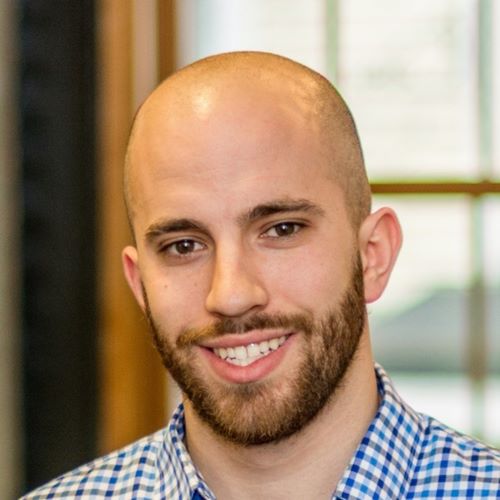
Garren Hilow
Garren Hilow is an entrepreneur, biotech founder, and the author of The Stuff In Between: How to Turn a Big Idea Into a Life-Changing Company. With a business degree and no science PhD, he co-founded Abveris, an antibody discovery company, which he later sold for $190 million. He started the company after interviewing 30 potential customers and learning they wanted antibodies faster, not cheaper. At 29, he and his wife put everything on the line so he could buy out his business partner and grow the company. Garren built Abveris without venture capital, stepped aside as CEO so a different leader could run it, and later sold the company in a wildly successful exit. Garren has since coached dozens of entrepreneurs on sales, culture, and building companies they still own at exit. Today he is back in biotech, building two new ventures: one focused on lung cancer and another working to dramatically reduce the cost of drug manufacturing. All profits from his book go to charity.
What does it take to build a company with no venture capital and sell it for $190 million? Garren Hilow shares the bets, the burnout, and why he rewrote his book from scratch after five drafts.
Here's a glimpse of what you'll learn:
- [0:38] What Garren learned at 14 when he helped his mom sell a handmade chair for $800
- [2:22] Why he took on $2 million in debt at 29, six months after buying a house
- [3:16] The "private jet wealthy" goal he set at 19 and how he worked backward from it
- [5:12] How planning for bankruptcy took the fear out of the biggest bet of his life
- [7:11] How an economics major ended up running a biotech company
- [9:43] The 30 customer interviews that proved his first business idea wrong
- [10:51] Why a business is a hypothesis, and the cheapest way to test one
- [13:31] Why Garren walks away from founders who say they can't do sales
- [14:25] How introverts and scientists become the best salespeople
- [16:02] Why he replaced himself as CEO before pursuing an exit
- [19:03] Inside the hardest year of his life: selling the company in secret
- [20:21] The day the deal fell apart, right before his son's birthday party
- [21:06] What real burnout feels like and how long recovery took
- [24:03] The moment he knew his 110,000-word manuscript needed to be rebuilt
- [25:50] The outlining process that turned five drafts into one book
- [27:31] Why he chose self-publishing over a traditional book deal
- [31:58] What brought Garren out of retirement and back into biotech
In this episode…
In this episode of Sticky: Stories That Stick, Amelia Forczak sits down with Garren Hilow, who built a biotech company without venture capital and sold it for $190 million. The story starts long before biotech. At 14, Garren watched his mother, a gifted artist, underprice the chairs she spent a week making. He talked a store into paying $800 for one, and he never forgot what it taught him: talent alone doesn't make a business.
That lesson shaped everything after. Garren explains why he planned his own bankruptcy before signing for $2 million in debt, how 30 customer conversations reshaped his company before it had a single employee, and why he believes sales is a skill anyone can learn. He also shares the decision most founders never make: handing the CEO role to someone better suited for it, a move he credits with multiplying the company's value. Then comes the cost. The sale took nearly a year, collapsed once the day before closing, and left him burned out long after the deal was done.
Writing helped him recover. Garren wrote five versions of his book before he and Amelia set the manuscript aside and rebuilt it around what an aspiring entrepreneur needs to know. He talks candidly about that process, why he sees traditional publishing the same way he sees venture capital, and why self-publishing let him keep control of his work. If you've been sitting on a big idea, for a company or a book, this conversation will show you what it takes to see it through.
Resources mentioned in this episode:
- Garren Hilow – LinkedIn
- Garren Hilow – garrenhilow.com
- The Stuff In Between: How to Turn a Big Idea Into a Life-Changing Company – Amazon
- Amelia Forczak – LinkedIn
- Pithy Wordsmithery – pithywordsmithery.com
Transcript
[0:00] Amelia Forczak: Welcome to Sticky: Stories That Stick. I'm your host, Amelia Forczak. I'm a bestselling ghostwriter and the founder of Pithy Wordsmithery. On this show, I ask successful people about the moments that shape them, and we figure out why some stories stay with you. Today, I have Garren Hilow with me. Garren built a biotech company with no venture capital and sold it for $190 million. Then he sat down to write a book about it. He wrote, like, 110,000 words, hated it, but we'll get to that. Garren, thanks for joining me today.
[0:35] Garren Hilow: So happy to talk to you, Amelia.
[0:38] Amelia Forczak: So I wanna start when you were 14 and your mom was making chairs and selling them. Tell me about that.
[0:46] Garren Hilow: Oh man, going way back. My mom's a skilled artist. She used to take the sticks that were cut down on the side of the road when they had to trim the power lines, and she'd grab the saplings and make them into these beautiful chairs. They were like functional pieces of art, and she used to go sell them, and she'd spend, you know, a week making a chair, and she'd go sell it for like two or 300 bucks per chair.
And it was just like not enough money to get there. And she was so uncomfortable asking for the amount of money that she should. And I remember at age 14, I remember telling you this story, Amelia, I went with her to a store to help her sell the chair, and instead of $200 to $300, I insisted on, it's like $700 or $800.
And my mom thought it was just like never gonna work. She was so embarrassed. And we stepped in, and we sold that chair for $800. And it was so eye-opening for me. I was like, oh my goodness. The problem in my mom's business is not... it's just pricing. It's just salesperson-ship. That really helped, like opened for me that for a business to succeed, it takes more than just being really good at doing whatever you do. There's a sales and marketing and finance aspect, and that really changed my whole career to go find really smart people and make good businesses around them.
[1:57] Amelia Forczak: So you grew up watching very talented people keep their businesses so, so small, right? And that shaped how you were feeling. So then coming towards like when you were 29 and you were a CEO, you've come a long way, right? You've learned from entrepreneurs, now you've built this huge thing. Tell me about that when you were what, 2 million in debt? So let's dig into that.
[2:22] Garren Hilow: Yeah. Fast forward, I'm 29 years old. I've been married for five-ish years. We've got a one-year-old and another kid soon to be on the way. And in order for me to buy out my business partner and take the business to the next level, my wife and I had just bought our house.
We spent seven years saving. Six months after we put down our 20% to buy the house, we collateralized the whole thing for $2 million worth of debt to be able to buy out my business partner and grow the business. And that felt a little crazy. It was, like, so much stress, but it was the only thing that we could do.
From coming with, like, no money, I didn't grow up with a bunch of money, and I wanted to own and operate a business. The way for us to do that was to take a big risk, and I'm just so glad that I had my wife and my parents behind me to support me on all that. But yeah, that was a crazy shift.
[3:09] Amelia Forczak: So how did you end up with the mindset that you were confident enough to bet that much on the business? That's a big bet.
[3:16] Garren Hilow: I have always known... My dad was an entrepreneur too, and like not that successful until much later in my life. I always knew that I wanted to start a business. I knew that I wanted to generate a lot of money. Like at age nineteen, I made this crazy goal for myself to be private jet wealthy, which never mean I'm never interested in buying a private jet.
But just to be able to take my family on a private jet someday was like the goal that my dad and I made for myself as a young age. And then working backwards, it was like, how am I gonna get there from where I am now? Rural New Hampshire boy. And the only option was to be a business owner or to be a professional athlete or a musical star.
But I'm just like not capable of either of those things. And so, I always knew that I wanted to start my own business. Even when I started dating my wife in my early twenties, you know, we'd have like a serious conversation. Well, you know, it's been a few dates. Do you wanna have kids? She wanted to have two kids.
I wanted to have four. Okay, great. Great. Just check the next box. I need to start a business someday. Someday I'm gonna go all in on a business that we're gonna run. And it's something that I talked about for, you know, that was eight years before I actually went and did that. But it was starting to date my wife.
Something that I always knew I wanted to do. So I studied that. I met all the entrepreneurs that I could. I worked at multiple startups. I went for four-year business degree. I did everything that I could to be ready for the time when I would go all in on my business, which, yeah, happened at age twenty-nine.
And then, goodness I got ready because having two million dollars of debt and a kid and a house that we just bought, like if the business failed, we would go personally bankrupt, go back to zero. Which just made so much sense. We'd earned like a couple hundred thousand dollars at that point, put it all into the house.
If the business worked, we could make tens of millions. If it didn't work, we'd lose two hundred thousand dollars and go back to zero. It's a type of decision that most people would never make, but it's just like a clearly rational choice once you're put into that situation. And maybe say now that it worked, but...
[5:12] Amelia Forczak: Tell me more about that. So, before you signed on this debt, you sat down and you planned out what it could look like if you went bankrupt, and how the risk was worth it. Tell me more about that because I think it's something that people don't usually consider.
[5:27] Garren Hilow: Yeah. Even my close friends and entrepreneurs would like cringe when they heard that I was taking on all that debt and the plan was to go bankrupt if it didn't work.
[5:35] Amelia Forczak: It can be scary, right? That was in the book too, is like your friends and family might be scared for you.
[5:40] Garren Hilow: Yeah. Oh, yeah. It really shook my mom, was like, "Are you making a terrible choice?" I was like, "I don't think so." But it can shake you. So I think that the number one thing that humans are afraid of is unknowns. And so when we planned our bankruptcy, it went from this unknown to this, like, really shitty situation that we would find a way to recover from someday.
I called my parents, and they lived up in rural New Hampshire. Said, "Hey, if this business doesn't work and we go under, can we live in your basement?" They're like, "I hope you don't, but yes." So we, like, made this whole plan for what we would do if we went bankrupt. I'd go sell used cars or something until we got ourselves back on our feet.
And that was super helpful. And we also made a plan for what we would do if the company succeeded. Like, what if we got ten million out of this? Or what if we got twenty million, our stretch goal? And got very specific. It wasn't just the money, it was, we'd buy a compound with enough space for our kids and our parents, and a boat and a college plan and got very specific in exactly what we would do with the money if we were to succeed, and what we would do if we went bankrupt.
And that planning portion was so important for me, to not be afraid of the bankruptcy and not be able to just operate without feeling like I'm getting crushed up by it, and to know what I'm working towards, and not just dollars, but, like, what I'd be able to do with my life. Super helpful practice.
And I've coached, you know, hundreds of entrepreneurs now, and that's something that I encourage most people to go through, to really visualize the most extreme endpoints, success and failure, so that you're not too afraid of either.
[7:11] Amelia Forczak: Mm-hmm. We haven't talked about the actual business yet. So the business that you created is something that you didn't have your degree in. How did you end up creating a biotech company?
[7:23] Garren Hilow: A lot of people ask, how did I end up in biotech? Economics major ending up in biotech. Like, everyone I'm surrounded with has their PhD, and I just knew I wanted to do something good for this world and something personally lucrative. If you look at like the next thirty-year spend on biotech, and it was up, up, up, up, and I was like, "All right, that's a way that I can impact the world in a positive way."
And it's a big industry. It's growing. You can make some money at it. And so I put in the effort to be really good at sales and finance and marketing inside of small startup biotech companies, and to actively find someone who could be the brains of the operation, and ultimately found a Harvard PhD immunologist, and he knew how to run the lab, and I knew how to do the sales and the financing, and to find the investors and to find the customers, and that was just a really good fit for me.
People still ask me, "What are you doing in biotech with your economics degree?" More business people should go into biotech. I'm like a fox in the henhouse. Like, so the PhDs are very smart, but they often don't make great business decisions. I see so many companies fail because they make bad business decisions, or the CEO is bad at storytelling, because they're just like so much smarter than the rest of us that I can't connect to a regular person.
And so I love, love being on the business side of science.
[8:41] Amelia Forczak: That was one of the really interesting takeaways that I got out of working with you on the book, was when you're thinking about creating a business, you don't actually have to know about the thing. If you know about how to run a business and sales and all those things, you can find your expert, partner with them, and it's like yin and yang, right?
It's like you complete each other, and it comes together, and you have this beautiful business that neither one of you could have created on your own.
[9:09] Garren Hilow: Those are the best businesses. And so a lot of people who should be running businesses, they're capable of it, they're driven, they want something better for their families, and they don't because they don't have a good enough idea. Just missing the point. Like, there are so many people out there that have decades of experience in their field.
They're really good at what they do. They don't know how to run the business. They don't know how to take the risk, right? So like, I took on the risk. I owned the business, so if the business failed, I'd go bankrupt, and if it succeeded, I'd make tens of millions of dollars. And that's ultimately what happened.
There are a lot of people in that position who can start businesses. I've never had a business idea that's my idea. Like even my company, I thought that maybe people wanted antibodies cheaper. So I interviewed like thirty different buyers, like customers, and they said, "I don't really want antibodies cheaper, but I would love them faster."
So that was the basis of our business, is like, I know if we can make antibodies faster, people will buy them. So then I went out and found scientists until I could find one who could find a technology to make antibodies faster. And so you could say that's my idea, but really it's like just asking customers what they want, finding a demand, and then finding someone who could deliver that.
[10:21] Amelia Forczak: It sounds so simple, but I wanna back up just to make sure everybody caught that. So before you started the business, you interviewed 30 people who were in your target market. You asked them specific questions on what they wanted, and they proved your hypothesis wrong, so you pivoted, but you still came up with this great idea for what people wanted that was actually backed in research, and it was enough information that you could then bet on it.
[10:51] Garren Hilow: Yeah. And three of those people became our first customers. Paid beta customers. And so I'm a total nerd. I'll just continue with my science, you know, vernacular here. But a business is a hypothesis, and the hypothesis is that your business is going to do something valuable. And the conclusion is written at exit.
When you sell the business, when you IPO, and you make enough money to grow it or own it for the rest of your life. In science, when you have a hypothesis, you are trying to disprove that hypothesis as fast and as cheap as possible. So if a business is a hypothesis, the most expensive way in time and money to prove your hypothesis is to actually build the product and to go try to sell it to people.
So many people will go do this. They'll have an idea, they'll build the product, they'll hire the team, then they'll try to go sell it. Then they realize they've got a mismatch from what the market wants and what they're offering, and they have to rebuild the company to match what the customer needs.
That's your classic pivot. The cheapest way to disprove your hypothesis is just to go talk to people. I didn't hire a scientist or sign a lease to decide if people wanted antibodies cheaper. I just asked people, and they said, "No, we want antibodies faster." So that initial pivot happened before we had any staff, before I'd even hired a scientific expert.
And so that's consistently the way that I see that great businesses start in a way that changed the founder's life. A great business can make that pivot. In order to make a pivot, once you've already built a product and hired a team, you're probably gonna raise money, probably gonna raise money from venture capital.
And as soon as you do that, you don't actually have control of your life or your business anymore. And so figuring out what people want and what that's gonna be packaged, what that price is gonna be before you hire a staff, before you actually build it, is so key to actually owning the business five years later.
[12:45] Amelia Forczak: That makes so much sense because we talk about how sales solves all problems, and sales is also like the Achilles' heel for a lot of founders. They're not comfortable with it. They don't like putting themselves out there. And some of that is like if people aren't buying it or it's not the right fit for people, and maybe it's because you've created something that isn't exactly what the target market wants, and that does make sales harder, and it's like a cycle.
[13:11] Garren Hilow: Yeah, absolutely. So sales starts... sales, I'm minorly biased as a sales professional and sales trainer, but if you're really good at sales, you win across the board. You win at company founding. Instead of finding investors, you can go find customers, which can lead to better investors. You can recruit better talent.
And Amelia, it drives me nuts when people are like, "Oh, I can't do sales." It's like, well, you're like really good at whatever it is that you're doing. Sales is a totally learnable thing. You like learn how to ask some good questions, just shut up and listen. Like, sales is so learnable that if I come across a founder or the leader who tells me that they're not good at sales and they're not going to be good at sales, I just walk away.
It's like deciding not to learn how to read, or not how to drive, 'cause it's like, it's easy to learn. I work with PhDs. These are people who spent 12 years in college, and they're telling me that they're not good at sales and they don't wanna be good at sales. They don't know how to get good at sales.
You could spend two hours and become noticeably better at sales. You could read any of dozens of books. You could read the chapter that Amelia helped me write in my book. It's a totally learnable thing, and everyone who's running a business should just get good at sales.
[14:25] Amelia Forczak: One of the things that we talked about was teaching introverts to love sales and then teaching your people who have the technical knowledge who aren't usually client-facing. Sometimes they need to answer bigger questions or sometimes they need to be in the room to show that you have the PhDs on your team, you've got the people who are building this product, right?
Tell me a little bit about that because you were working with Tracy, who ended up being your CEO. Tell me about that whole thing.
[14:54] Garren Hilow: Introverts and scientists who often start off saying they, like, don't like the business side or don't like sales have consistently, in my businesses and people that I've coached for, become the best salespeople in the world. And it's like a mentality shift. Most people hear salespeople, they're like cringey.
It's like the used car salesperson who's trying to sell you something that you don't want. You can change your mentality about sales, that I'm genuinely here to help you, and that the best salespeople understand the customer's problem thoroughly, and then offer a suggestion that happens to match what the company sells if it matches.
So the best salespeople are people that can understand the other person's problem. That means that those introverts, those engineers, they're the best at it. Just let them ask questions, and their mentality is, "I'm not trying to jam a product down your throat. I'm just genuinely trying to understand what you need, and I will only offer a solution if it's a win-win," is totally life-changing for people.
And I mean, there are dozens of people on my team, including and probably especially Tracy, who really grew up a lot really fast with relatively small changes to your mindset.
[16:02] Amelia Forczak: Yeah. So you're building this company, you've got more people coming in, you're keeping a close eye on culture, you're building it up, and then you're seeing that your next move is that you need to ultimately replace yourself as CEO, and you're wanting to do this before pursuing an exit. Tell me about that, because that is something that you rarely hear of for founders.
[16:25] Garren Hilow: Well, I was in a great position because I was both the founder and owner. Like, I owned outright the company. There were some stock options, my co-founder had some, the investors only had, like, 12%. And so I was able to think about it more as a business owner, so I could step back and say, "What's the best thing for this business? What's the best thing for my family?"
At the time, I'd been CEO for, like, five or six years. Being a CEO was kind of part of who I was. I introduced myself at parties as the CEO of a biotech company, and that's pretty fun. Realizing that Tracy would be better at the CEO role and better for the business was one of those things that, once I realized it, I could just never unsee it.
And she's a scientist, she's super personable. Our customers love her, our employees loved her. It just made the most sense. And it was really interesting to go out to my advisors and be like, "Hey, I think it makes sense to put Tracy in charge of the company as the CEO." And many of them were like, "Whoa, no! Whoa, no!"
Like, and I just don't think that they really understood how beneficial that would be. And as a business owner, like, if I had been the CEO of that business, I bet we might have sold for, like, $30 to $50 million when we sold. And with Tracy as the CEO, like, private equity people and strategics were just, like, tripping over themselves to get Tracy on their team.
She'd recruited so well and sold so well that, instead of 30 to 50 million, we had a $190 million exit. So as the owner, it made sense. As a lifestyle, like, I'm dad of two at that point, it was great to have someone else be the CEO and I could run sales. I think that more business owners and founders should aspire to replace themselves as CEO.
Like, owning a business that someone else runs, that's the dream. Far too many entrepreneurs build a business around themselves and make themselves indispensable, and that really just cripples the company's value and that person's lifestyle, their family life. So I can't believe how many things I just touched on in that three-minute arc right there, Amelia.
But owning a business that someone else runs is the best thing, and most founders forget about that.
[18:31] Amelia Forczak: No, that's such a great point. And you mentioned you had little kids at home, and so it's very difficult with a young family, especially when you're starting to think about going through an exit and all the work that goes into that. I know that that was a very difficult time for you because, one, it's secretive, and there's so much pressure, and things could go sideways, and you wonder if you're making the right choice, and your company's your baby, and you wanna leave it in good hands.
Tell me about that whole thing, 'cause I know that was, like, probably one of the hardest points in your life, right?
[19:03] Garren Hilow: Yeah. Yeah, it took almost a whole year to sell the business. We started in January, and it didn't close until December fourth. And far and away the hardest year of my professional life, probably my life life, on so many levels. I'd spent so much time to build this business, and I built this business knowing forever that I'd sell it.
That was always the goal. I always had a goal number that we were working towards, and I was working backwards from there to build the business to get to this fifty million dollar valuation, which is what I was hoping to be able to achieve. And still I had many times each week where I had pangs, like, "Should I actually sell this? Should I do this?"
I didn't take a vacation from February through December, and I worked most of the time, six days a week. Sometimes I'd work like 12 straight days, and then just be like a shell of myself. And those were long days. Like, I'd wake up, I'd get the kids breakfast, I'd go to work. I'd work until dinner time, come home, eat dinner, give my wife and kids a kiss, and go back to work until 11 or 12.
And that was like my lifestyle because I had to run a business. Selling a business is so challenging. We were scaling almost twice year over year. We were growing in revenue, we were growing in profits, so we had to keep up that sales growth and sell the business, which was like a totally additional job, without our employees finding out or without my community finding out so the employees would find out.
I mean, the whole deal fell apart in August, right before my son's third birthday party, day before we were closing, and that was one of the worst days of my life. I just remember having 50 or 60 family members over and just finding out that the buyer that we'd done three months of diligence with was backing out the day before closing.
Brutal. I mean, everyone said, "You know, sometimes deals won't close. Sometimes they'll take a year." I was like, "Not me. Not me. Nuh-uh." Thank goodness the second place buyer was right there to step in. So we did three months of diligence, birthday party, and then jumped into three more months of diligence.
The second one was with a public company. So it was just brutal. Just a brutal process. More people should take vacations. I wish I took vacations.
[21:05] Amelia Forczak: Yeah. What a grind. I know that you said that when it finally closed, you experienced burnout that didn't just go away. It wasn't like you could just take a vacation, and I think you said you went on a vacation that was a week long, and it was like you're so numb at that point you can't even enjoy it.
And then the burnout stays with you like months after that. That's something I think a lot of people don't realize.
[21:29] Garren Hilow: Yeah. I used to think burnout was just people being weak or tired or, you know, take a nap, you'll be all set. And then that process truly burned me out, where it took me well over a year, maybe even longer than that, to come back to, like, a fully functional member of society. And now that I've seen what burnout is like, I will always make an effort to avoid it because it is far more efficient.
Yeah, I just remember every three months I'd be like, "Wow, I used to be really burnt out." And then three more months would go on and be like, "Whoa, like, three months ago, I was really burnt out." And it took me a long time to recover. I buried myself. I started to, like, write a book. You know, I wrote my first version of the book in the first year after the company sold, and in subsequent years, I wrote four more versions.
By the time I met you, I had written five versions of my own book. It was 120,000 words and terribly written and terribly organized with a great story. But I was just not doing my best work. I was not in the best place. It took me a long time. Thank goodness for my wife and kids, really. Without that grounding and the support from my wife and the love for my family, I see how people sell their business and then have their whole life fall apart.
It happens more often than you might think. So really glad to have those people in my life. And you, Amelia, to go back through, with you, the whole Abveris experience and tell you the story and make sure that we wrote it in a way that people could understand and get value out of it, was so good for me mentally.
And I think we came out with a good book. It genuinely helps people. But that process of writing the experience made me relive it. I cried in front of you many times when we were reliving some of these stories of success and failure and, I don't know. If you have the opportunity to write a book about your experience, it's good for you. It might help others too.
[23:14] Amelia Forczak: Yeah, that is so interesting. I work with a lot of authors who've gone through just some corporate shit or, like, some entrepreneur stories. A lot of them, they're like executive CEOs who've been recently fired by a board, or, like, just big transition moments, and it is therapeutic to write about it.
You were always a big journal person, right? You'd written consistently in a journal for many, many years.
[23:40] Garren Hilow: Yeah. Since I was 19, I've written in a journal at least two or three times a week. In my adult life, it's more often than that. And so yeah, I was working on this book for like a decade. I'd like to have a thought and write "book" on the top of my journal page and, yeah, I'm a total nerd that way.
I'm gonna pull out my journal. I don't know why, but there you go. Without my journaling, I would've gone totally nuts. It's a daily practice for me.
[24:03] Amelia Forczak: Yeah. So you had like 110,000 words of content. When did you realize, when you went through the whole thing, that you didn't like it and you needed help?
[24:15] Garren Hilow: I spent a lot of time and energy writing my book, and I'm an avid reader. I've read hundreds of books in this genre of the business self-help, and I would read it and be like, "This is a great story and there's so much to help here, but this is not..." Like, the first one was like a memoir about me, and then it was, like, less about me with some lessons and...
What I realized that were really helpful were the lessons and not so much a story about, like, me beating my chest. And I had my mom read it, and I had some people close to me read it, and they were like, "There's good stories here, but, like, I think it needs to be totally rewritten." And that hurt to hear, and it was entirely right.
[24:49] Amelia Forczak: What you just said, where I see so many authors coming in, where they've written a book and it really does read more like a memoir. And the interesting stories are in there. It goes chronologically through their life, and it's not really putting the reader first, where you're thinking like, "Well, what can I teach people that would be really helpful? Who are those people? Okay, let me put myself in their shoes, and then let me organize the book by things they need to know."
That's basically what we did with your content. We took what you had already, and then we backed up and we thought like, "Okay, so you're an extremely successful entrepreneur. You coach other entrepreneurs. What does an aspiring entrepreneur, a young entrepreneur need to know?"
And we broke it down where we're like, being a sales-forward company, culture, hiring, a compensation structure. We dumped all the ideas down on paper, and then we created a totally new outline that was based on teaching people.
[25:50] Garren Hilow: Yeah. So helpful. I loved your process, Amelia. I was like, "No, here's my book. Help me shorten it. I want it half." And you were like, "All right, well, like I've read it, let's put it aside for a minute." And then we ran through your whole process, which was amazing. It was like, exactly where does it start?
Where do we end? What's the point? What's the topic of each chapter? What are we gonna cover in each chapter? Now that we know how long the whole book is gonna be and what we're covering in each chapter, how many words is each chapter gonna be? Great, and that was like months of work, great work, critical work that I should have done upfront.
I didn't know how. You were amazing with it. And then to go back and be like, "Okay, now we have 120,000 words of content. Some of that we're gonna keep. So that'll go here, that'll go here. We're missing this, so this can be cut down." And just that formal process that you walked me through was everything.
Like everything. To be able to have a good book that starts somewhere and ends somewhere and it's got good stories and, it's probably still too long. You kept telling me to keep my chapters short, but I was like, "No, we have to keep all this." But I loved your process, and that resulted in a book that I'm very proud of, starting from a book that I was not at all proud of.
And so thank you for that.
[27:01] Amelia Forczak: Aw, I'm so glad to hear that. You had all the stories there, they just needed to be in a different order, right? So I think the book came out great. I know one of the big things you were thinking about is should it be a traditionally published book? Should you pursue an agent? Should you self-publish it?
'Cause we're like, "We know this book is awesome. We have to get it into the target market's hands. How are we gonna do that?" And so you ended up making a decision to self-publish at that point. Tell me about why you made that choice.
[27:31] Garren Hilow: Yeah. First off, it was the right choice for me. There are a lot of options for publishing a book and, look, I'm gonna make an analogy here. I'll try to see if I can connect these dots quick enough for you. But one of the key things in my book is to not sell your business to venture capital early, 'cause if your business is successful, then later on someone else is taking 80% of your revenue.
It's like you don't even get to control what your company's website looks like. You lose control. As soon as you take money, you lose control. And then I looked at the publishing world. I'm like, "Okay, well, I could self-publish it," in which case you put it on Amazon, I get like, you know, 60 or 70% of the dollars.
If you spend $10 on my book, I get six or seven bucks. Great. If I publish it, I give up 80% of my revenue at least, and all of the control. They choose the title, they'll choose the artwork. They probably would've shortened it, which maybe would've resulted in a better book. But I liked it how it was.
And so, it's also such a long timeline. It's like two years. You have to get an agent, and if you can get an agent, great. And then if the agent can actually get you into a publisher, great. So it's like a two or three year process. So we were sitting there with a done book, a done book that you and I knew was good.
Now, am I gonna really wait two or three years to publish this thing with a publisher and give them 80% of the revenue? Well, maybe if they'll market it. Maybe they'll market it. And then I talked to authors and they were like, "Yeah, the publisher doesn't market it that much for you. If you're not famous, if you're not Oprah Winfrey, like you're not their biggest deal.
And so you still have to go hire your own marketing agency. You still have to go make your own website." And I was like, "This sounds like giving my company to venture capital. This doesn't make any sense." Like I want control of my business. Now all of the profits from my book are going to charity, and I love that.
And it allowed me to get it done fast, my way, maintain control of my own copyright, maintain control of my own revenue. What I'd run into is a lot of writers, like professional writers, would be like, "Oh, you're self-publishing? Then it's just a vanity project. Ugh. Then it's not any good if you're self-publishing it."
The first couple times people told me that, I was like, "Ooh, am I making a mistake here?" And I was like, "Oh, well, let me ask about you. You're like a professional author, you've been doing this for like 20 years. How many books do you have published?" And they're like, "Oh, none. I still haven't gotten a publisher to go."
"So you wrote all these books that you think are good, and since a publisher didn't pick 'em up, they're just dead?" It seemed like the whole publishers were brainwashing the whole industry. So for me, self-publishing the book instead of a hybrid or spending years and giving up control was the right move for me.
And I hit the Amazon bestseller list, which you helped me with, Amelia. Your team helped me make the website. Your team helped me make my launch strategy for it. And it, you know, it wasn't free. I paid your team for it, and it was worth every dollar. And I just cannot believe how many great authors are sitting out there right now with good books who are not as famous as Oprah, and so they're not getting picked up by publishers, so they just don't publish.
It doesn't make any sense. But that's an entrepreneur's look at the publishing world.
[30:33] Amelia Forczak: I completely agree with you. There's so many practical reasons why self-publishing is a good option, and that's, like, why my company does that. I was ghostwriting books and editing books, and when people couldn't get a book deal or they didn't wanna get a book deal, self-publishing was difficult for them, right?
It's hard to figure out like how to proofread it, how to do the cover design, how to design the interior, and navigate all those moving parts. But if you can do that and it's professional level quality, the same as it would be with a traditional publisher, it's so much easier. You maintain the ownership, you get it out quicker, it's great.
We've been working definitely with a lot more entrepreneurs who see all of the pluses and minuses and they're like, "Why?" It feels like a name brand where you're like, "Oh, it'd be great to get the approval of this big publishing house." But a lot of times it's not a smart business decision, right?
[31:28] Garren Hilow: Yeah. Same. Well said. A lot of people just don't even realize there's another path, and I think that just like venture capitalists convince entrepreneurs that raising money is the right thing to do, even though it's not, publishers convince writers that the only way that you can be a successful writer is to go through a publisher, which is obviously extremely self-serving for them and just doesn't make sense.
[31:52] Amelia Forczak: Yeah. That's why there's an exponential increase in self-publishing.
[31:57] Garren Hilow: Oh, that's cool.
[31:58] Amelia Forczak: You've been on this amazing journey. Tell me what you have going on right now, because you were in retirement for a little while and you're no longer in retirement.
[32:07] Garren Hilow: Yeah. I thought that I would make enough money in biotech and then just not work again, and I'm back to running biotech businesses. I'm working on a lung cancer company. I'm working on a separate company to be able to dramatically reduce the cost of drug manufacturing and getting drugs to people who need it in the United States and worldwide.
So I am back into the business world and I'm loving it. It's really nice. Probably not gonna collateralize my house this time and go all in on the chance for bankruptcy. So the second time is definitely a lot easier for the entrepreneurial journey. Yeah, I think that we can fundamentally improve healthcare in the United States over the next 10 to 20 years.
So I'm gonna work on businesses that can fundamentally improve healthcare, starting in the US and then hopefully globally. And yeah, probably another book to come on that one.
[32:53] Amelia Forczak: I love that. When we were working on the book, you had so many hobbies and it seemed so nice. You were like, "I'm gonna go do my blacksmithing," or, like, all these different little... You have a farm, right? But eventually it's like you're passionate about business, you're passionate about helping people, and doing that through biotech, and so there you are back running a company and leaning into those passions.
So I think that's great. I'm really happy for you.
[33:18] Garren Hilow: Thanks, Amelia. Turns out farming is harder than I thought, right? The chickens take forever to make eggs, and then a fox breaks in and you don't have any chickens anymore, and the tomatoes get blight and the apples get rust. It's, you know. Turns out I'm better at biotech than farming, so, get back.
[33:34] Amelia Forczak: That's so funny. So okay, tell everybody where they can find your book and how they can keep in touch with you.
[33:42] Garren Hilow: Cool, thanks. My book is called "The Stuff In Between." It's on Amazon. I've got the actual copy and the audiobook all recorded and ready to go right there. I post often on LinkedIn. I'm always posting my little business tidbits on LinkedIn, so you can find me there, Garren Hilow on LinkedIn.
Got a nice website that Amelia's team helped me write up, so feel free to check that out. Yeah, I read all my LinkedIn messages. Shoot me a message if you wanna connect. I love meeting new entrepreneurs, people interested in writing books, and anyone who wants to change the world.
[34:13] Amelia Forczak: Awesome. We'll link all of those in the show notes so that people can find you on social and find your website. So Garren, thank you so much for joining me today.
[34:23] Garren Hilow: No, thank you for having me, and thank you for helping me take my long writings and turn it into a book that I'm so proud of. You and your team were excellent and are excellent, and I would suggest it to everyone. So thanks for having me today.
[34:39] Amelia Forczak: Amazing. So again, I'm Amelia Forczak, founder of Pithy Wordsmithery, and to quote Toni Morrison, "If there's a book you wanna read but it hasn't been written yet, you must write it."
[34:49] Garren Hilow: Ooh, that's good.
Never miss a story that sticks
Subscribe to Sticky: Stories That Stick on Apple Podcasts, Spotify, or Amazon Music so every new conversation lands the moment it drops.